

 Patrik Zdvíhal
 Why do some people wear their watches with the dial on the inside of their wrist? This habit has its roots in the military and is driven by practical reasons—ranging from reducing glare to protecting the watch and making it easier to read the time. Today, however, “inside wrist” is also a matter of style, habit, and, to some extent, showing off one’s watch.
In one of the episodes of the Tik Talk Helveti podcast, in our favorite segment, “Watch Obsessions,” we also touched on a peculiar watch-wearing habit: wearing a watch on the inside of the wrist.
Table of Contents
- Takže proč to vlastně dělají?
- Ne, sklíčko se nemá schválně odírat o stůl
- Důvod číslo dvě: aby vás neprozradil odlesk
- A co když chcete vědět, kolik je hodin při držení zbraně?
- A teď překvapení: ano, i kvůli klikům
- A někdy je důvod prostě… pohodlí
- Nezapomínejme na luminiscenci
- Hodinky se dokonce někdy zakrývaly
- Dnes už je to také móda
- Jak to tedy je?
- Klidně si je otočte
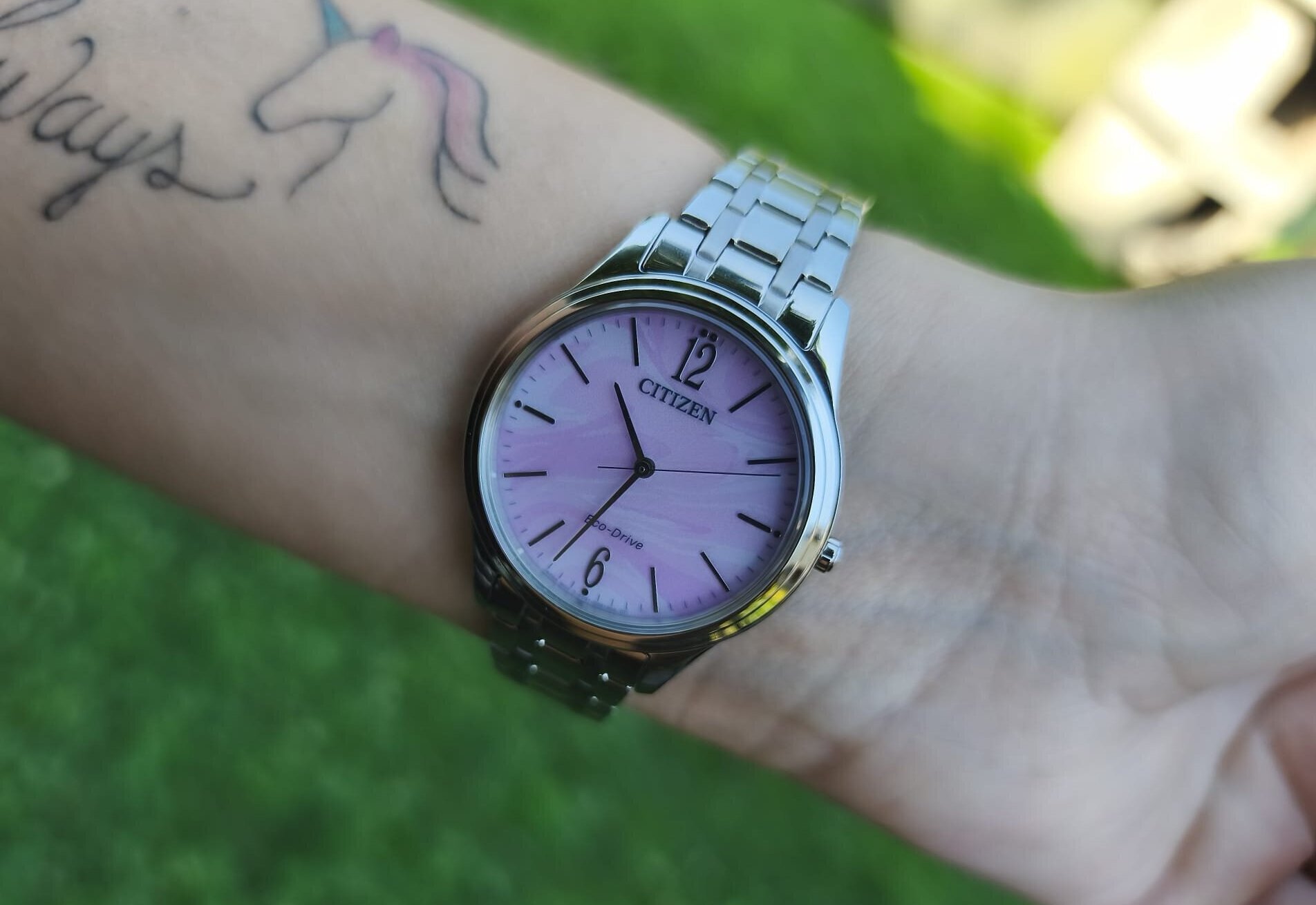
You might be familiar with this. A person is wearing a watch, but instead of looking at it like a normal person would, they turn their wrist so that the watch face is facing their body. At first glance, it might seem like a minor quirk. Or like a sign that the person in question has just returned from a secret mission in Afghanistan.
But there’s a reason for that. In fact, there are several reasons.
So why do they actually do that?
Let’s start with the most important thing: no, it’s not so you can scratch the glass against the table.
And it’s not to make the watch look any less attractive, either.

Wearing a watch on the inside of the wrist has historical roots primarily in the military. It is particularly common among members of special forces and can be seen in photographs from various conflicts of the second half of the 20th century. Vietnam War veterans even reported that they adopted this style of wearing a watch as early as during their training in the 1960s.
Now, pay attention. Some of the reasons are surprisingly practical.
No, you’re not supposed to deliberately scrape the glass against the table
When you turn the watch so the dial faces inward, the crystal obviously doesn’t gain any magical protective powers. However, while working or moving around, the watch is less likely to bump its face against nearby objects. And protecting the watch was one of the practical reasons why this method of wearing it became widespread in tactical environments. Another reason was protection against glare.
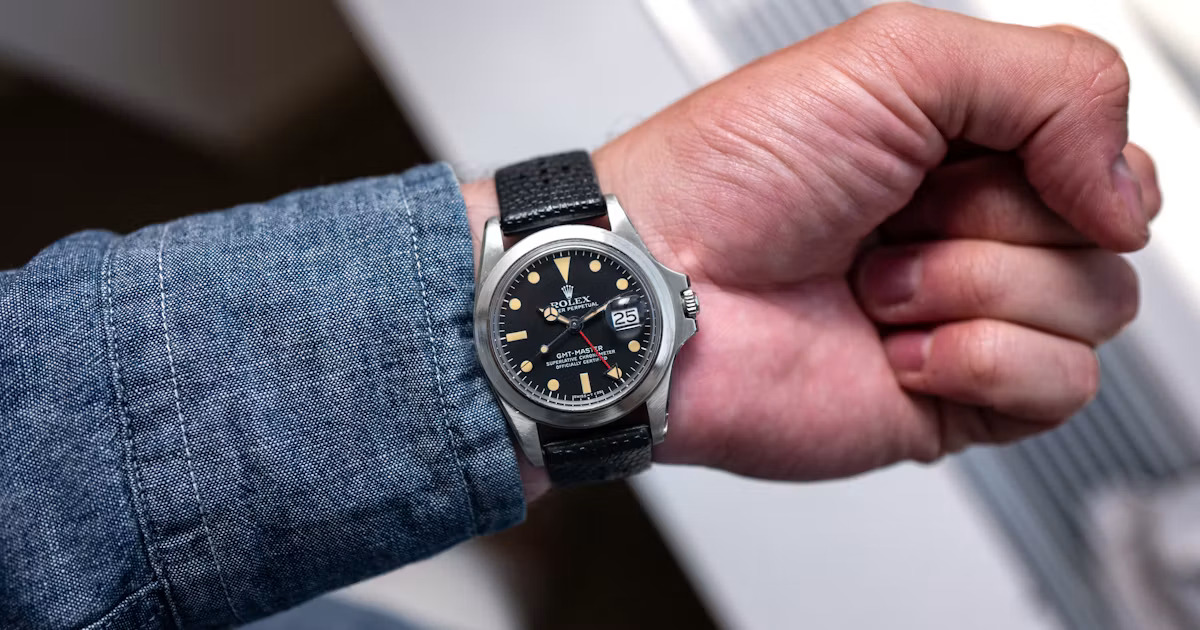
So if you’ve ever turned your watch face inward just to avoid cracking the sapphire crystal on a doorframe while you’re working, there’s no need to feel strange about it. You’ve just unknowingly done something that has quite a long tradition under slightly more extreme conditions.
Reason number two: so that a glare doesn’t give you away
And this is where an ordinary watch starts to become quite an interesting tool.
Imagine a soldier trying to stay hidden. All around him is nature, camouflage, and very few objects that would reflect light. And suddenly, a small glint from a piece of glass appears on his wrist. In everyday life, no one would notice it. But in a situation where you really don’t want to be seen, it could be a problem.

Wearing a watch with the dial facing toward the body therefore helps reduce glare while also directing any light signal more toward the wearer. Military use thus provides a fairly solid rationale for this unusual way of wearing a watch. Suddenly, it doesn’t seem like a quirk anymore. But then you realize that most of us spend our days in an office. And there, it’s unlikely that any sniper will spot us because of a glare from our watch.
What if you want to know what time it is while holding a gun?
This brings us to another reason.
If you’re wearing a watch on your non-dominant hand and are also holding, say, a weapon with that hand, it may be easier to glance at the watch face on the inside of your wrist without having to significantly change the position of your hand. A similar advantage may arise when lying on your stomach for an extended period, when working with equipment, or in other situations where you don’t want to or can’t move your wrist unnecessarily.

But if you’ve ever found yourself wondering during a firefight, “What time is it, anyway?”, then something’s probably wrong.
In some situations, however, it may not involve combat. Former special forces members, for example, have mentioned that a watch worn on the inside of the wrist is easier to check while wearing bulky gloves.
And now for a surprise: yes, it’s also because of the handles
It’s not just about weapons, flashlights, and covert operations. Some former special forces members also cite routine training as a reason. When doing push-ups or running through an obstacle course, the watch case on the outside of your wrist can press uncomfortably against your hand or wrist. If you turn the watch inward, it may be more comfortable to wear.

So yes: Watches are sometimes worn with the face facing inward so they don’t press against the wrist when you click. Which is perhaps the least cinematic reason of all. No secret mission, no masked sniper. Just a person who doesn’t want their G-Shock to dig into their wrist on the twentieth push.
And sometimes the reason is simply… convenience
This is where we move from the military world to our own. Some people simply prefer to wear their watches with the face facing inward. They can see the time better during certain activities, the watch is less likely to snag on nearby objects, or they simply don’t mind having the case on the back of their hand.
And let’s be honest: sometimes the best reason is simply “because it suits me.”
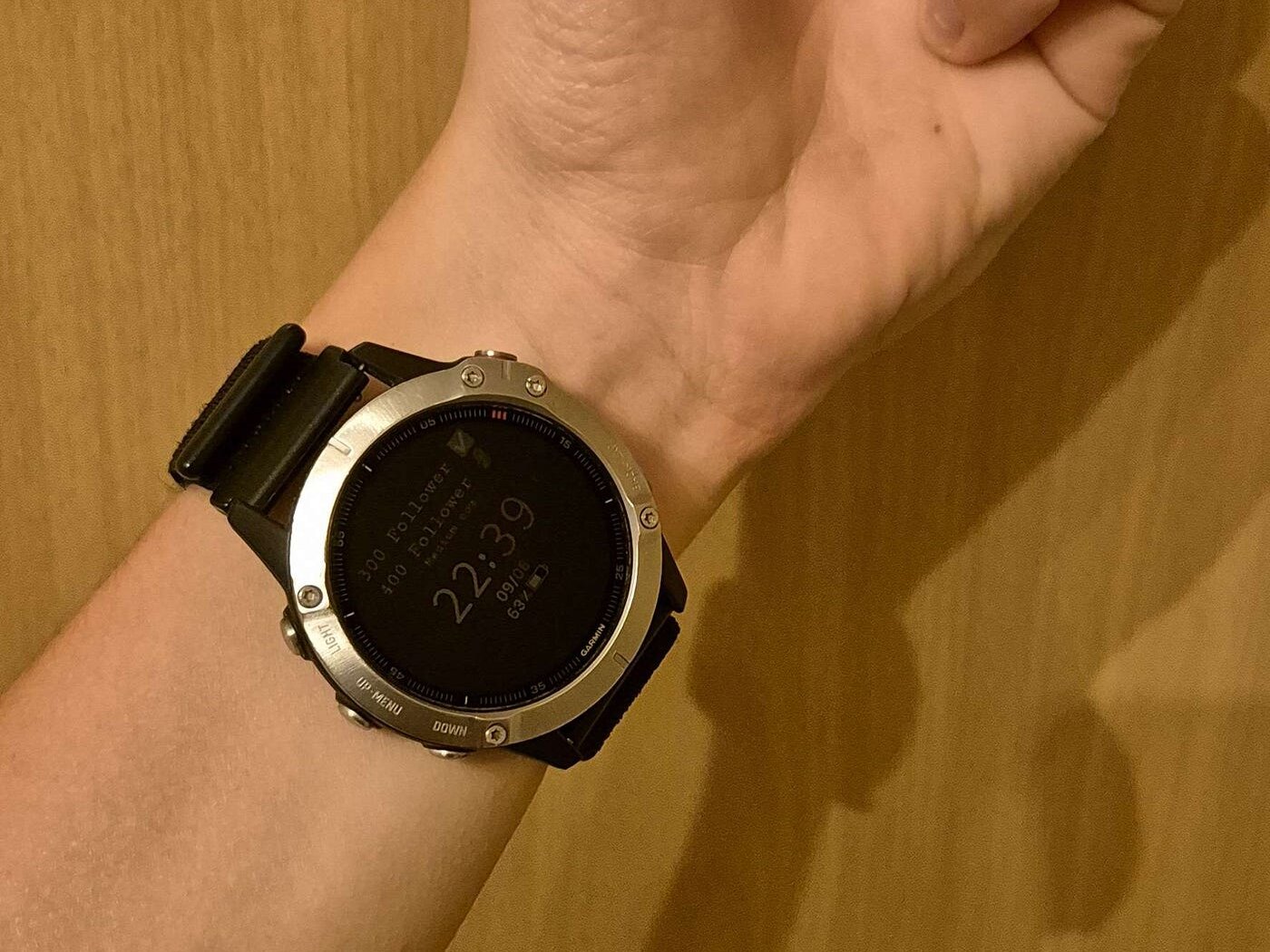
In fact, among regular watch users, there are people who wear their watches this way—for example, at work, while exercising, or during activities where their hands remain in a certain position for an extended period of time.
Let’s not forget about luminescence
Modern diving or military watches can glow quite brightly—and in many cases, they’re supposed to. That’s great, of course, when you need to check the time underwater in the dark. Not so great, though, if you’re trying to stay hidden at night.
In a military setting, therefore, “light discipline”—that is, controlling one’s light signature—can also be important. Luminescence or an illuminated display can, under certain conditions, constitute an unwanted signal. With tritium-powered watches, this effect is particularly pronounced when using night-vision devices.
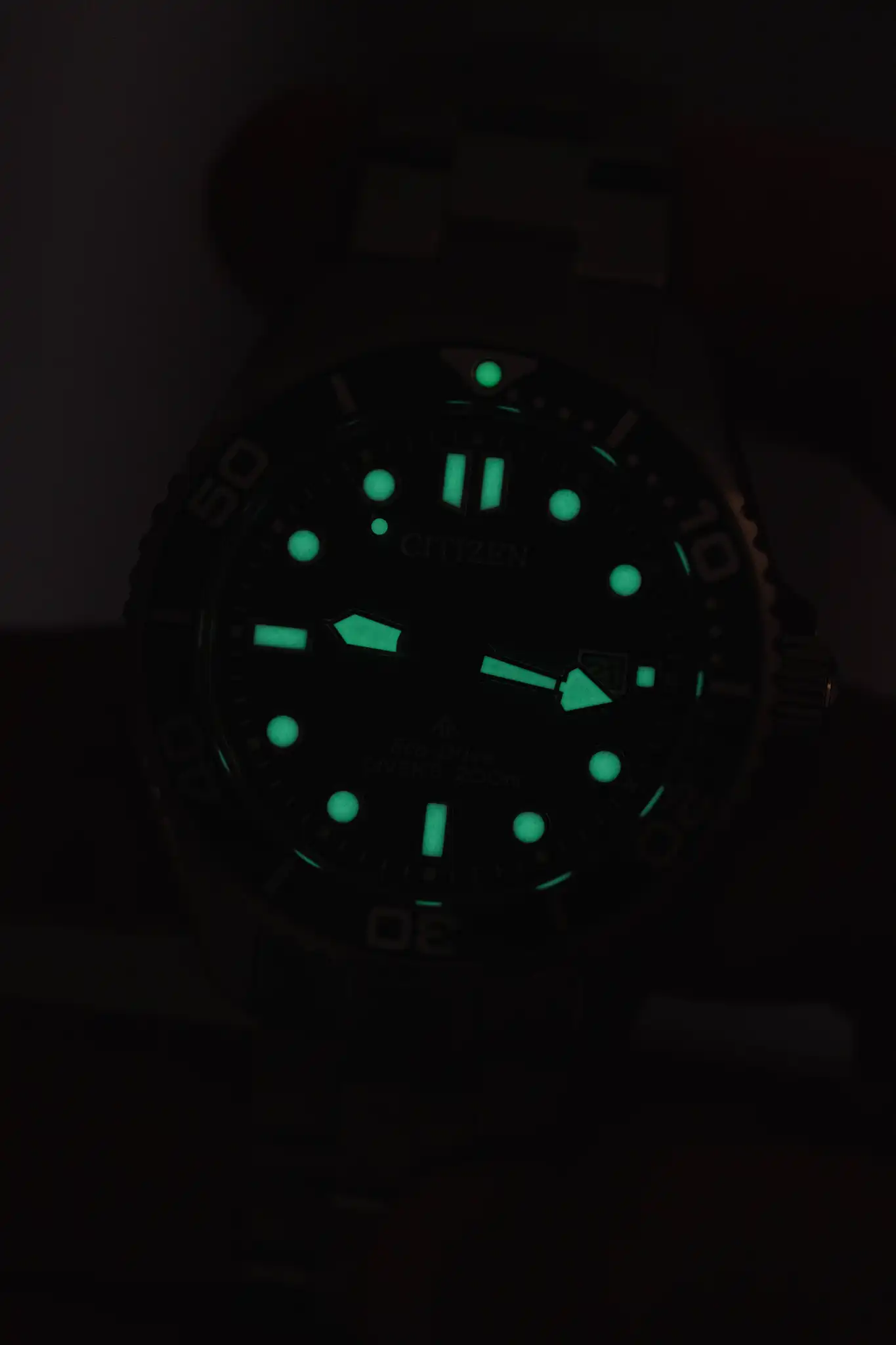
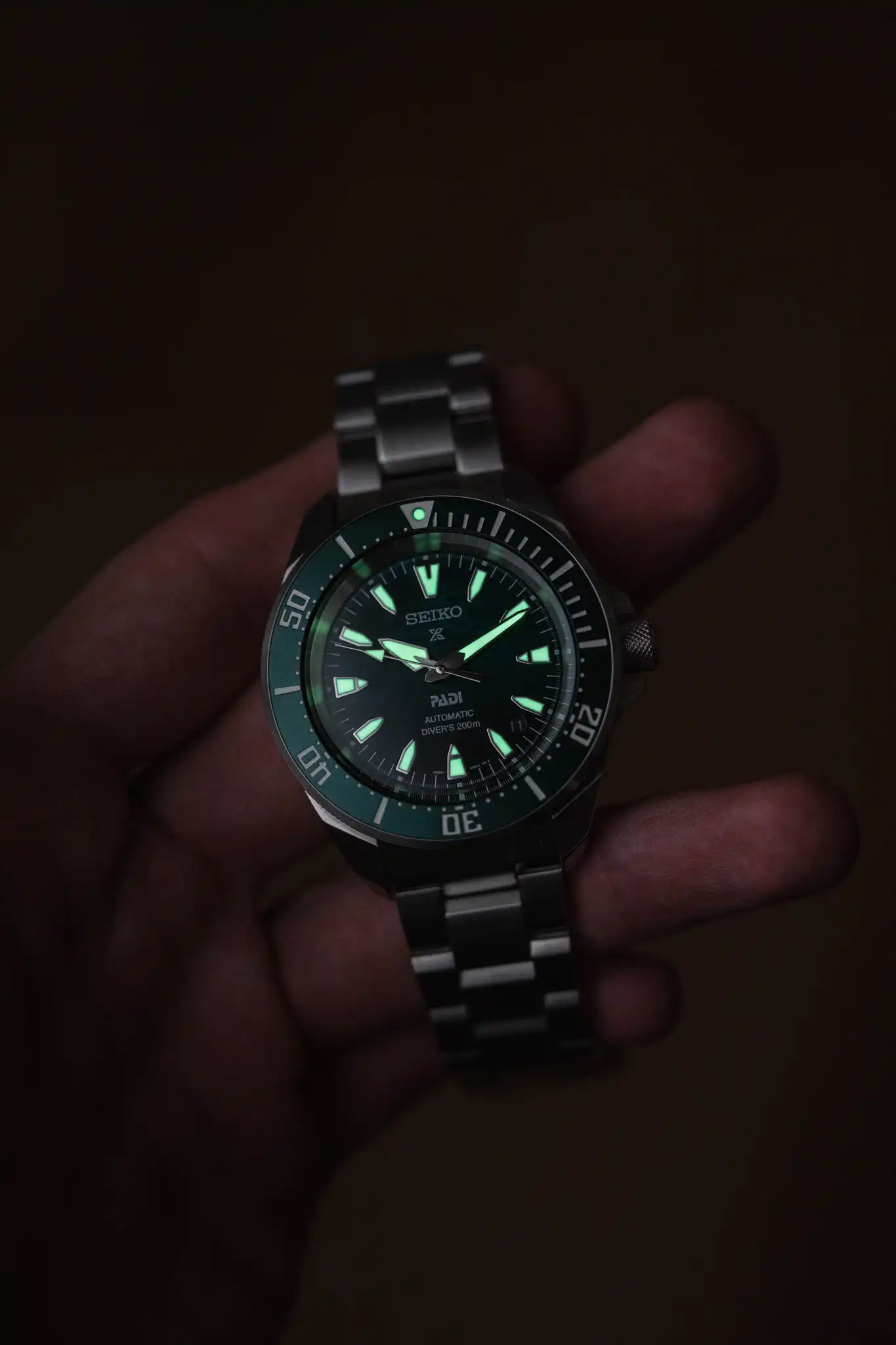
So if you’re looking at Super-LumiNova in bed at night and your partner asks why you’re shining a light in their eyes, you might just be experiencing a very everyday version of the same problem.
Sometimes the watch was even covered up
And while we’re on the subject of military watches, there’s one more interesting fact worth mentioning.
In the past, soldiers didn’t just turn their watches face-in. There were also special covers designed to reduce glare and light emission. During the Vietnam War, for example, Navy SEALs made leather watch covers secured with rivets. A similar solution was also used during wars in the African bush, where it also protected watches from the harsh environment and thorns.
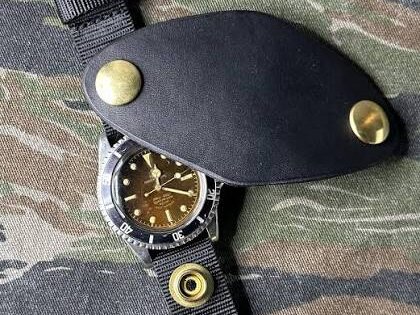
In comparison, turning your watch so that the face is against the inside of your wrist actually seems quite civilized.
➡️ Did you know: Today’s technology, however, offers even more sophisticated solutions, such as Traser watches with an Iris aperture, which allows you to regulate the amount of light emitted by the luminescent material. Whether a soldier in the heat of battle would have the time and space for such a solution, however, is another question.
It’s also a trend these days
When soldiers, police officers, or special forces do something for long enough, what started out as a practical solution can become a hallmark of a particular subculture.
That’s exactly how the “inside wrist” phenomenon works. What once had practical significance has gradually become part of a certain look and culture surrounding special forces. And from there, it can spread further—to regular soldiers, police officers, civilians, and, of course, watch enthusiasts.
And this is where the situation starts to get a little amusing. Because while a real operator turns his watch face inward to reduce glare or to check it comfortably while performing a certain task, a watch enthusiast might turn his watch face inward just to look like an operator.
The difference, however, is quite significant. One of them has undergone training. The other has watched thirty minutes of YouTube videos.
So what’s the deal?
Wearing a watch on the inside of the wrist is neither a fad nor a recent fashion trend. It has a long tradition in military circles, and there are very practical reasons for it:
- reduction of glare from the glass,
- a lower risk of damage to the watch,
- easier to read the time in certain positions,
- more practical time management when handling a weapon or equipment,
- easier to use while wearing gloves,
- minor discomfort during certain physical activities,
- and, at night, a reduction in the watch's light trail.

And then there’s one more reason:
- Because you just like it.
And that is perfectly legitimate in the world of watches.
Feel free to turn them over
If you’ve been feeling a little weird up until now because you wear your watch on the inside of your wrist, you can rest easy. There’s a history behind it, as well as practical reasons. And if you can manage to do twenty push-ups on top of that, you’ve basically got a complete case.
I’d just be careful with that “tacticool” impression. After all, a military background doesn’t automatically mean that everyone who turns their G-Shock face inward is a former special forces operative. Maybe they just don’t want their watch to get scuffed. And maybe they really do play Call of Duty. In any case, in one of the episodes of Tik Talk Helveti, we labeled this behavior a watch quirk. Upon closer examination, however, we have to revise our verdict a bit: It is a quirk. But a surprisingly well-justified one.
Source and inspiration: Watches of Espionage – Why You Should Wear Your Watch on the Inside of Your Wrist (And Why You Probably Shouldn’t)




Comments
No one has commented on this article yet. Be the first.