

 Patrik Zdvíhal
Mido is one of Switzerland’s traditional watch brands, with a history dating back to 1918. It has become famous for its car-inspired watches, the Aquadura system, the Ocean Star design, and the Multifort collection. How has Mido evolved, and which models are pivotal to its history?
Table of Contents
- Mido vzniklo v roce 1918
- Inspiraci našlo v automobilech
- Aquadura: korek, který pomohl s voděodolností
- Multifort předběhl svou dobu
- Kdo je Robi?
- Powerwind: jednodušší automatický strojek
- Ocean Star a monokokové pouzdro
- Globální značka, Mini Mido a architektura
- Návrat designu ze sedmdesátých let
- Historie převedená do současnosti
- Mido Pop Up Store v Praze
Mido was founded in 1918
The story of the Mido brand began on November 11, 1918. That was when Swiss watchmaker Georges Schaeren founded the company Mido G. Schaeren & Co. in Solothurn. The name “Mido” itself comes from the Spanish phrase “Yo mido,” meaning “I measure.” As early as the 1920s, Mido set out on a slightly different path than many traditional Swiss manufacturers.
It drew inspiration from cars
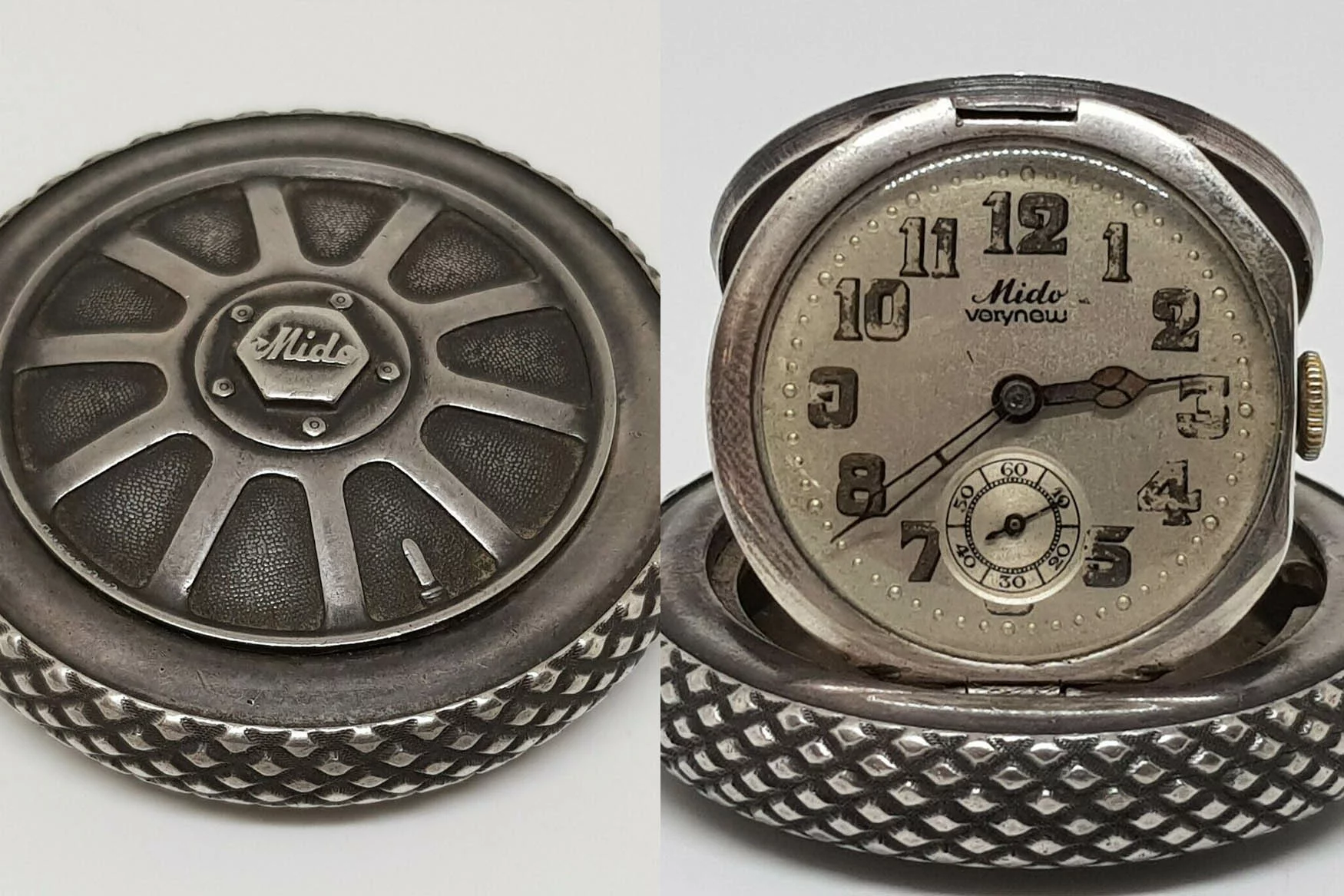
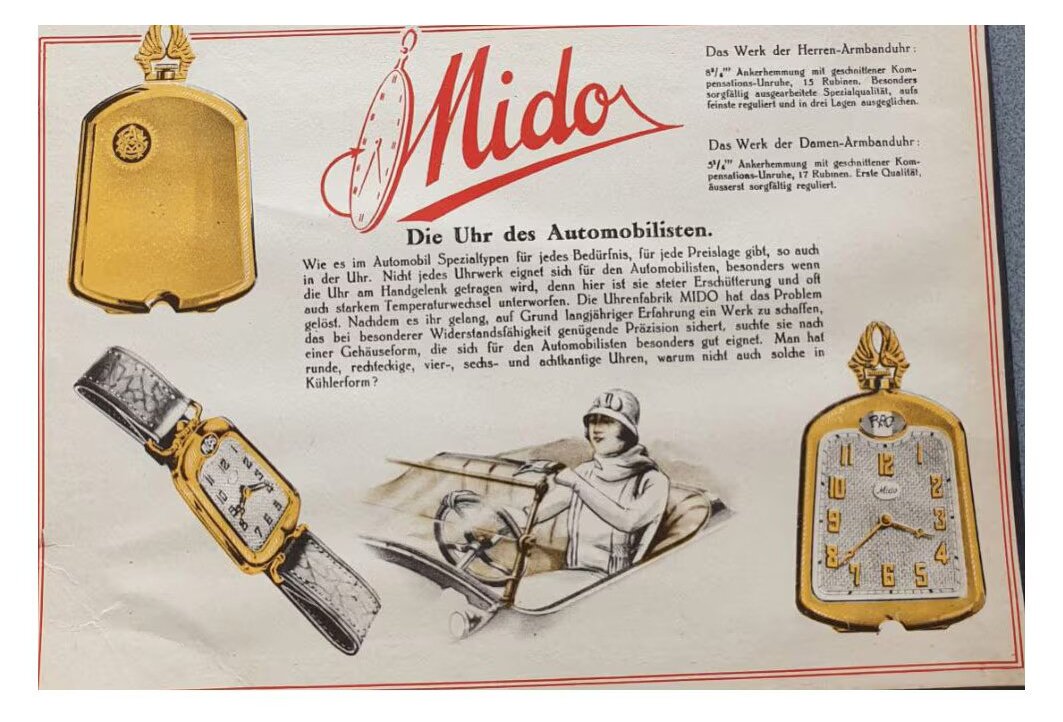
At that time, the automotive industry was experiencing a huge boom, and Mido decided to capitalize on this trend. It began producing watches inspired by car radiators. And it wasn’t just a general imitation of automotive design. Mido produced watches shaped like the radiator grilles of brands such as Buick, Bugatti, Fiat, Ford, and Hispano-Suiza.
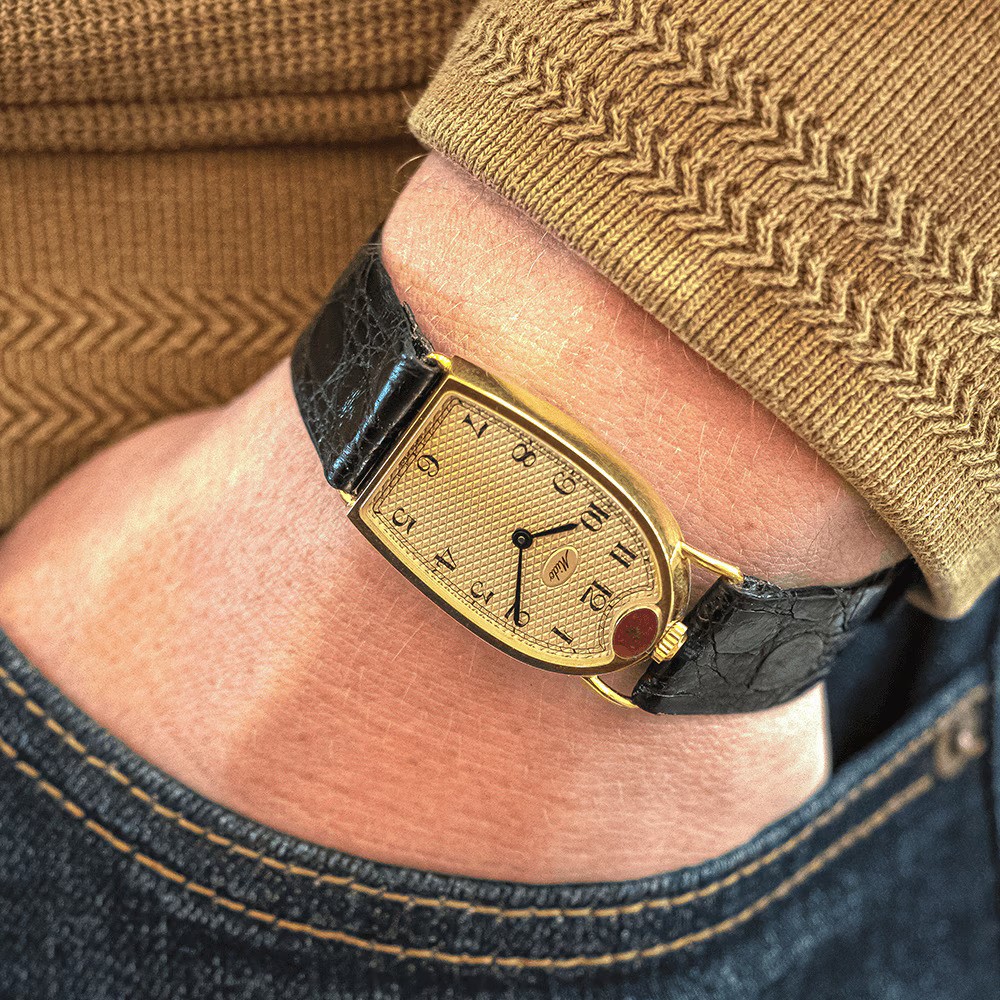
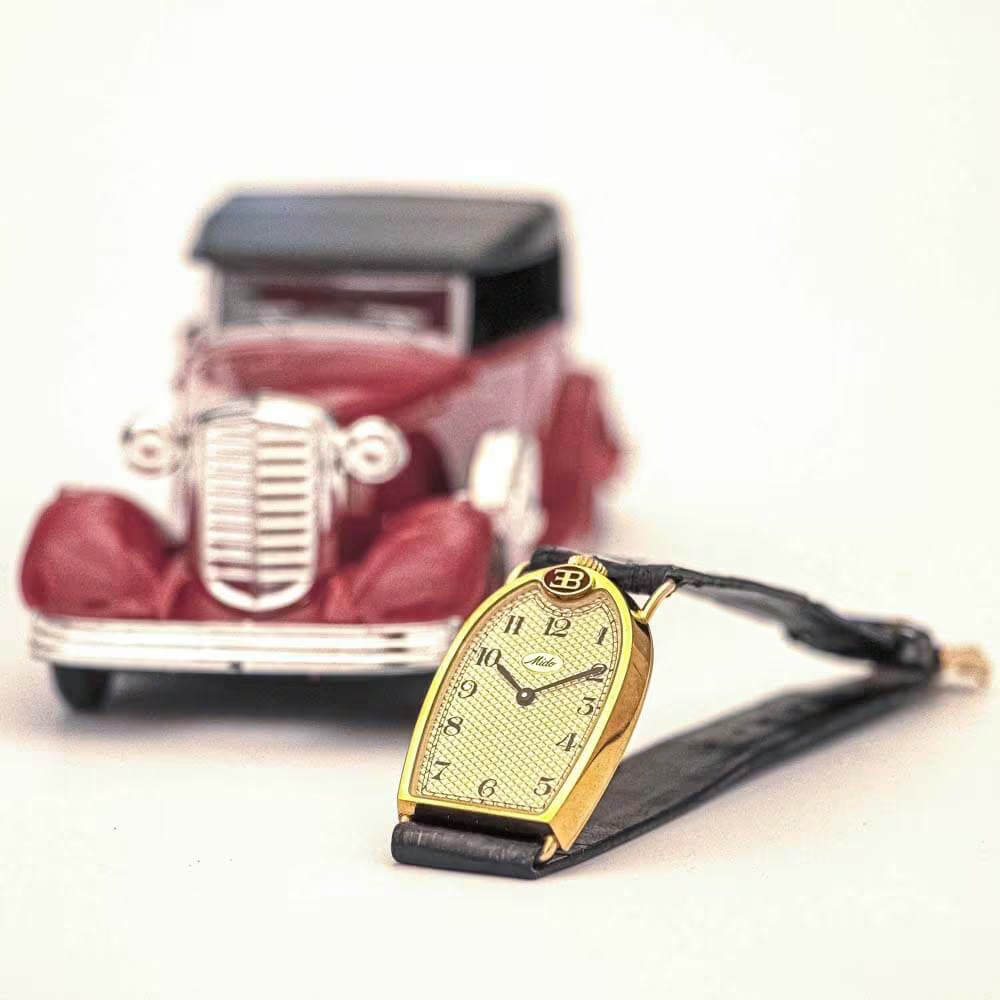
From today’s perspective, this is quite unusual. But even here, we can see something that would accompany Mido throughout its history: technical innovation and practicality on the one hand, and striking design on the other. Some of the watches made for Bugatti even have a direct connection to Ettore Bugatti himself. According to its historical records, the company produced fewer than 100 pieces for the automaker, and Ettore Bugatti gave them away to his best drivers or family members, for example.
Aquadura: Cork That Helped Improve Water Resistance
In the 1930s, however, attention began to focus more and more on the durability of watches. And one of the main problems was, of course, water. Today, we take water resistance in watches for granted. But in the first half of the 20th century, water posed a significantly greater problem for mechanical watches. One of the weakest points was the crown and its stem. This is where Mido came up with its own solution. It used specially treated natural cork to seal the space around the crown stem. This system later became known as Aquadura.
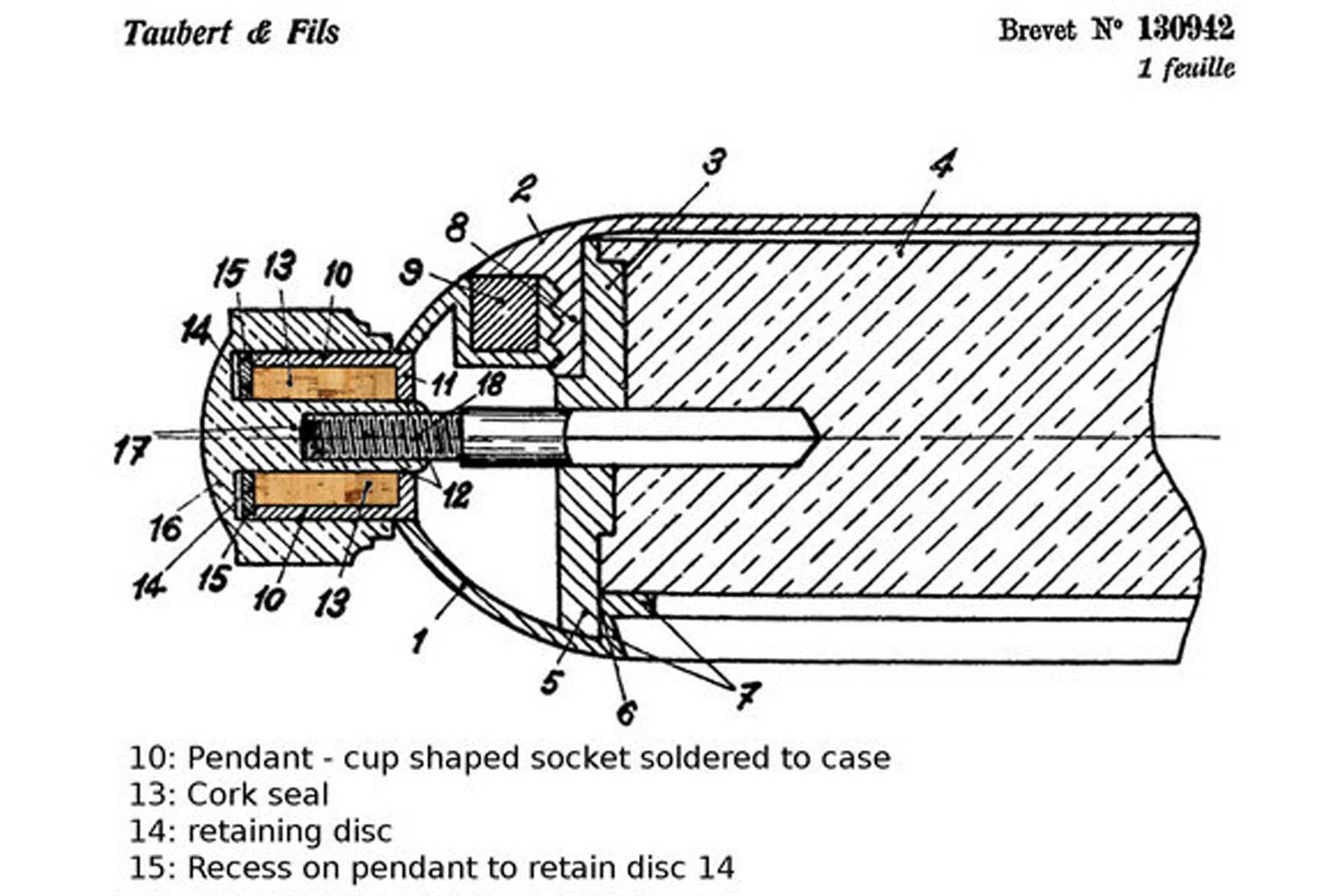
Mido had been using the system itself since 1934, but it wasn’t until later, in 1959, that it was given the name Aquadura. It was a solution that helped Mido build a reputation as a manufacturer of exceptionally durable and water-resistant watches.
Multifort was ahead of its time
The year 1934 is significant for Mido for yet another reason. That was when the brand introduced the Multifort. Today, Mido describes it as one of the first watches to combine automatic winding, anti-magnetic protection, shock resistance, and water resistance. That is a truly remarkable combination for the year 1934. Moreover, the Multifort became Mido’s best-selling line from the 1930s through the 1950s.
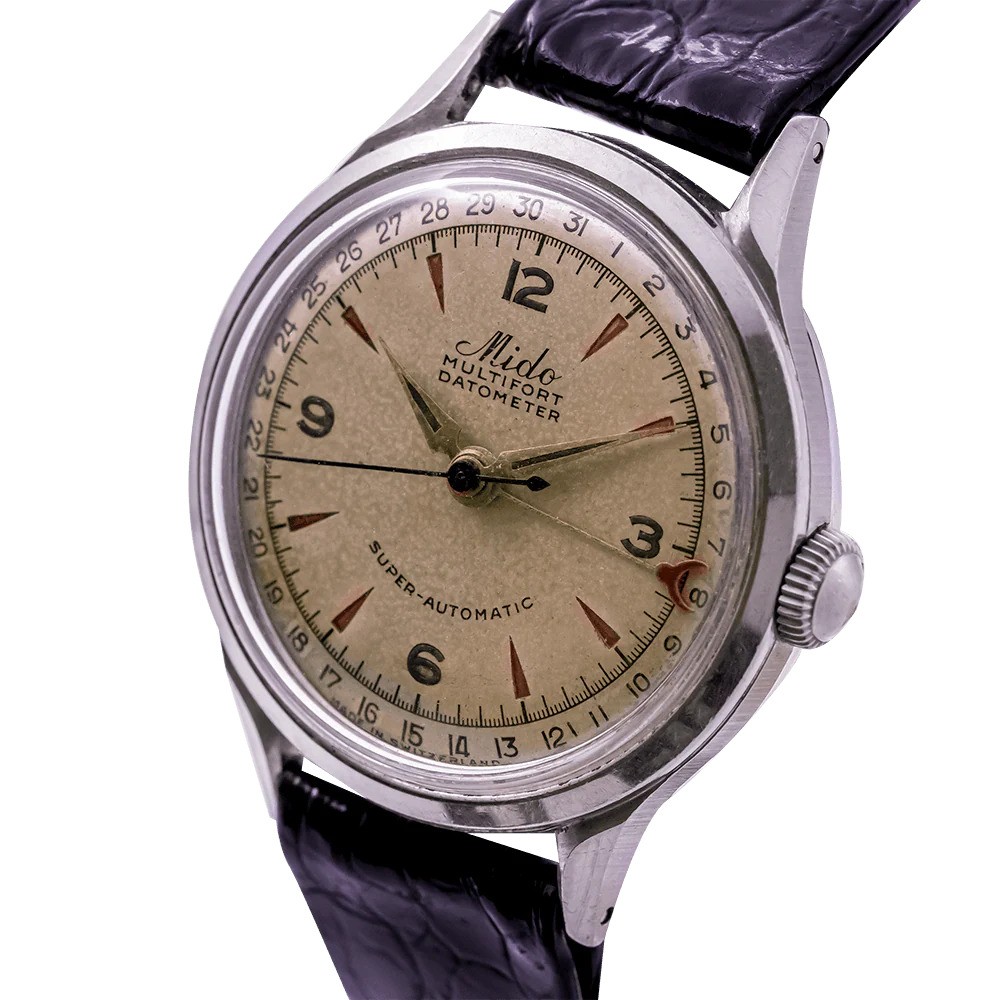
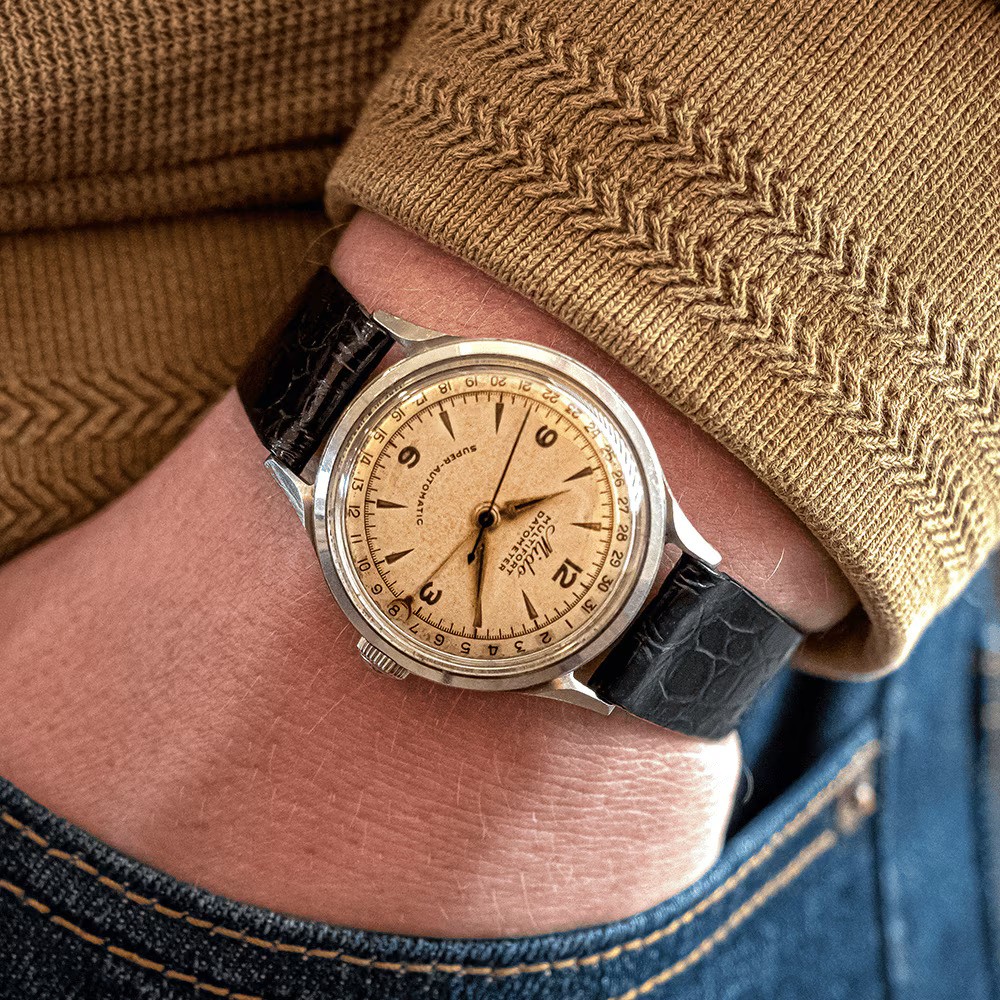
Mido subjected its watches to some fairly brutal tests. For example, the Multifort Datometer model was tested in laboratories in New York. The watches were exposed to both fresh and saltwater for more than a thousand hours. Temperature shocks ranging from +50 to -40 degrees Celsius were also tested. The crown was subjected to stress equivalent to approximately 34 years of use. And during pressure tests, the watches were submerged to a depth equivalent to 13 ATM, or roughly 120 meters. It was even tested for durability at high altitudes. These tests show that for Mido, durability wasn’t just an advertising slogan. The brand truly subjected it to very rigorous testing.
Who is Robi?
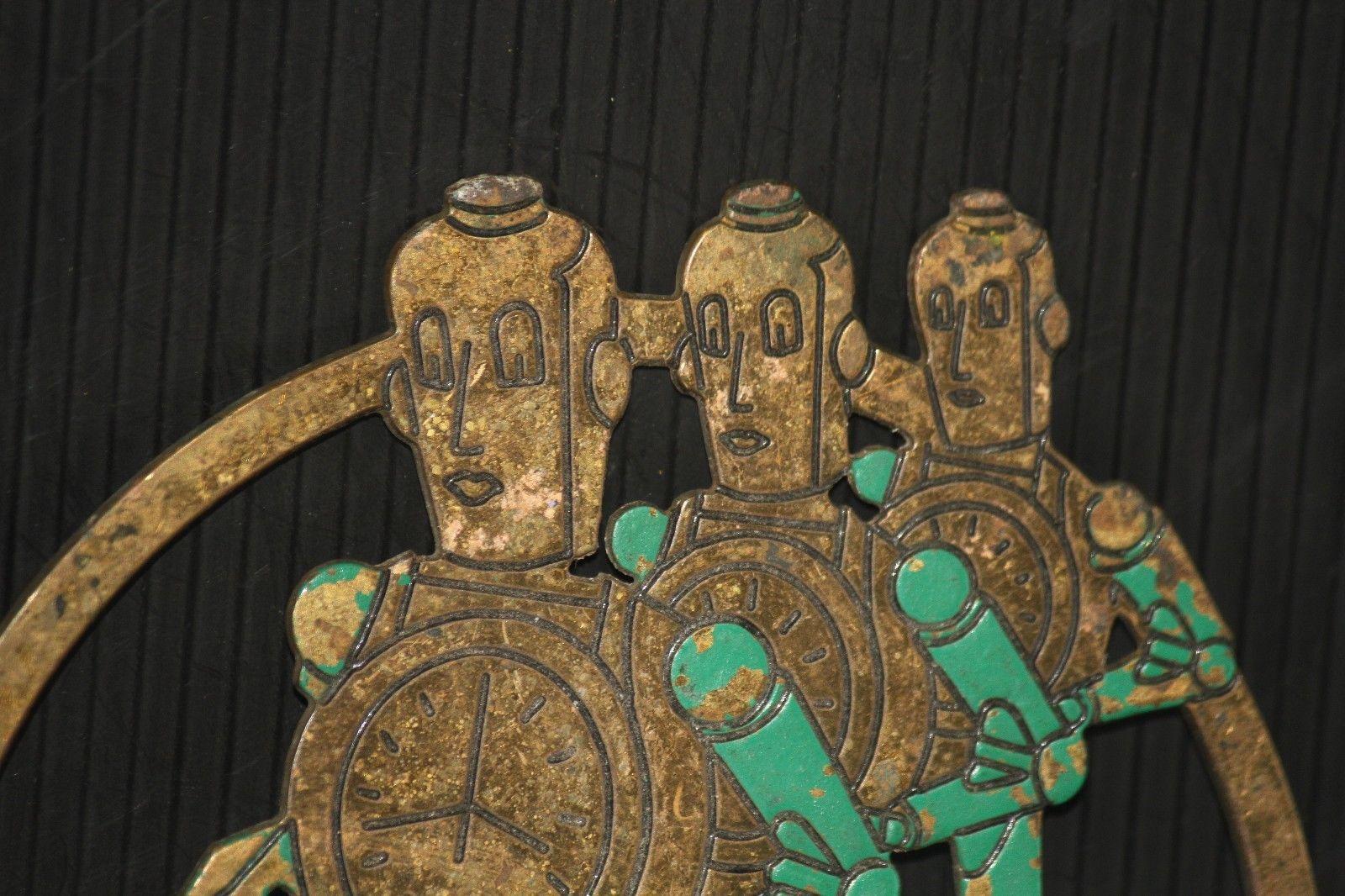
In 1939, the brand first used the so-called Mido Robot as an ambassador and symbol of technical progress and robustness. Today, we might say it was a mascot. And it’s quite interesting that Mido was already using a similar approach to building its brand identity back then. The robot, nicknamed Robi, became so well-known that it is still associated with Mido to this day.
Powerwind: A Simpler Automatic Movement
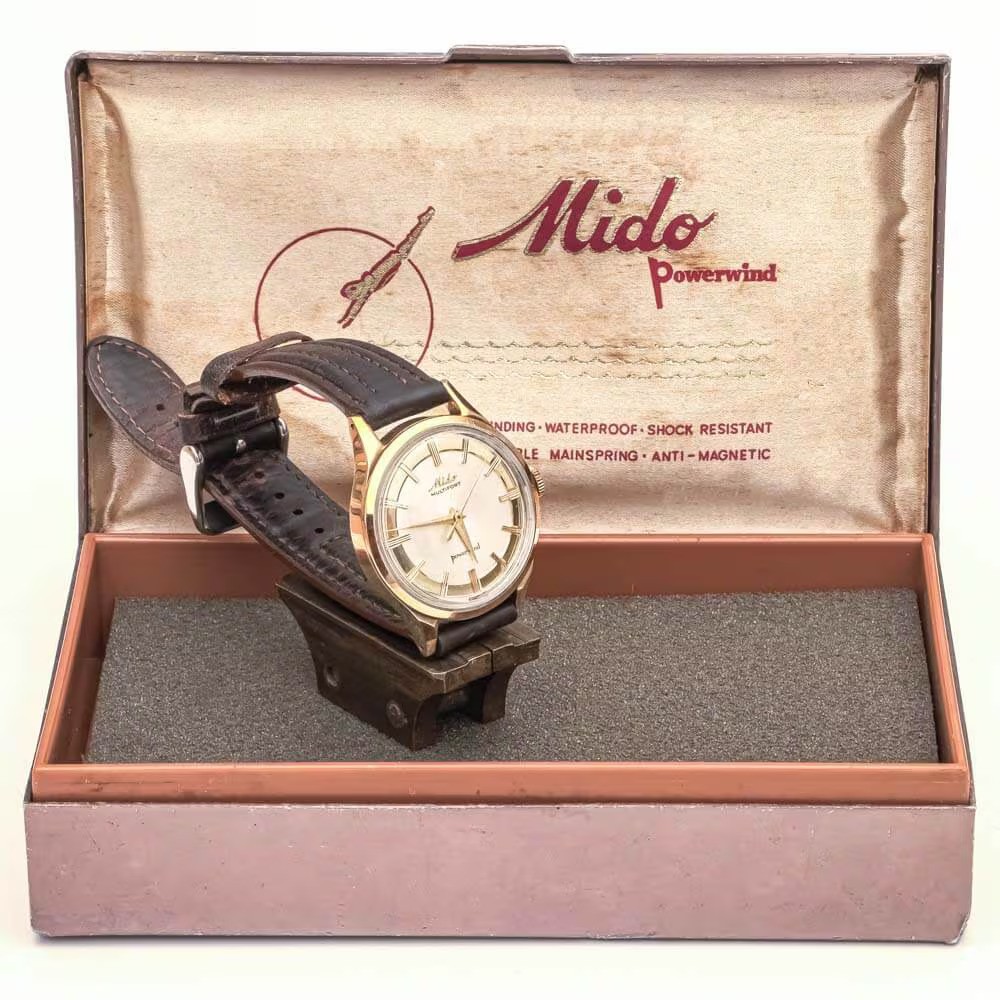
Another interesting chapter unfolded in 1954. That year, Mido introduced the Powerwind automatic winding system. Its principle was relatively simple. Instead of using a large number of components, the automatic mechanism was designed to feature a significantly simpler construction. The number of components in the automatic system was reduced from 17 to 7. The result was supposed to be greater reliability, less wear and tear, and a longer power reserve. Mido collaborated with movement manufacturer A. Schild on the development. Powerwind thus became yet another example of how Mido focused not only on the appearance of its watches but also on how their mechanisms functioned on the inside.
Ocean Star and the Monocoque Case
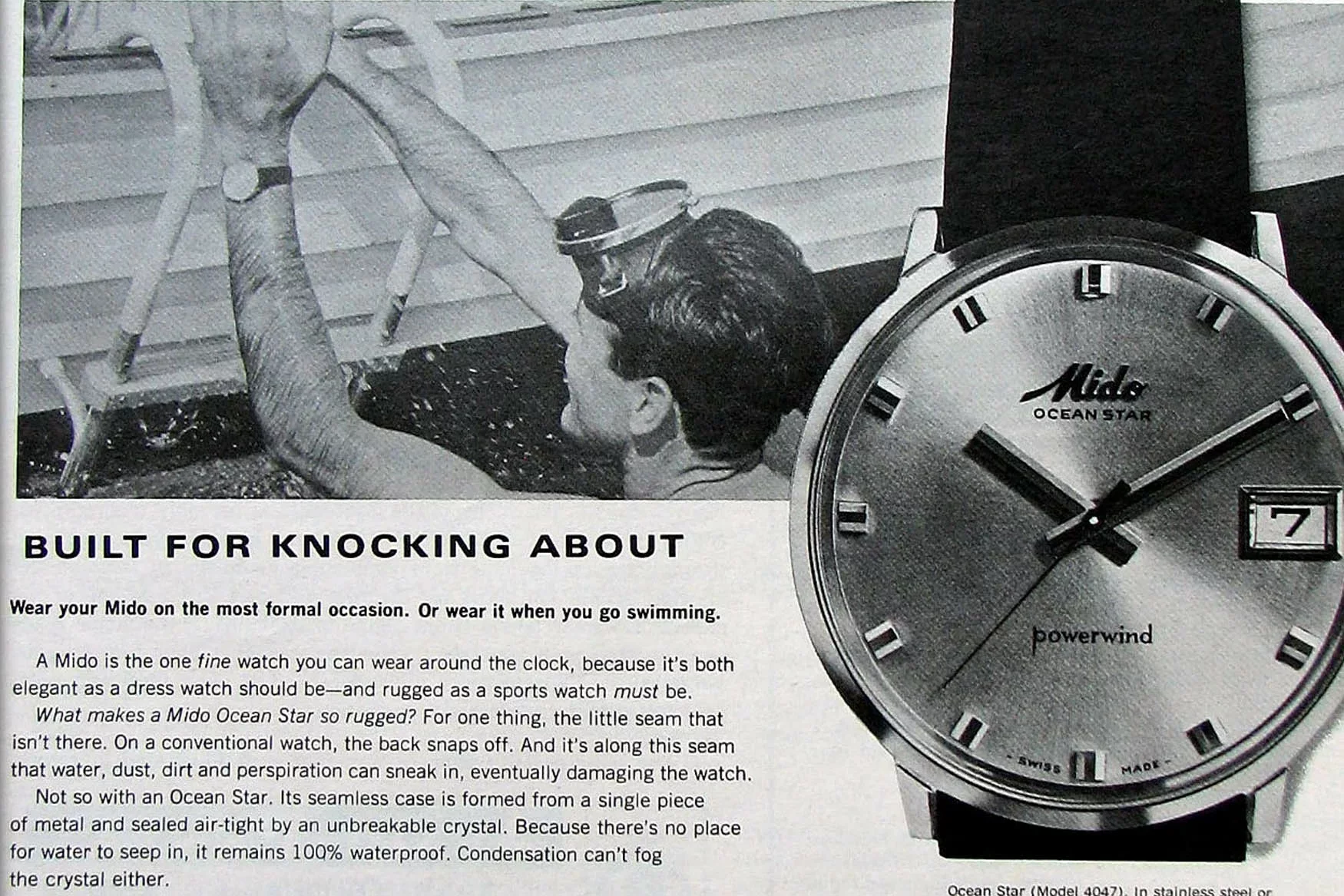
Five years later, in 1959, another important innovation was introduced. The Ocean Star in its legendary monocoque case. Simply put, it was a one-piece construction that eliminated the water resistance issues associated with a traditional screw-down case back. After all, if you don’t have a traditional screw-down case back, you have one less potentially problematic area. Mido combined this concept with the Aquadura system to create a design that became one of the brand’s main symbols. Today’s Ocean Star collection and some Commander models also draw on this tradition.
Global Brand, Mini Mido, and Architecture
The 1960s then brought another first. Mido introduced the Mini Mido, which the brand describes as the smallest mass-produced automatic watch of its time. By then, the brand had already become a truly global manufacturer. In the 1960s, Mido watches were sold in 111 countries around the world. This is quite a significant statistic, as it shows that even back then, Mido was definitely not just a small Swiss manufacturer catering to the domestic market.
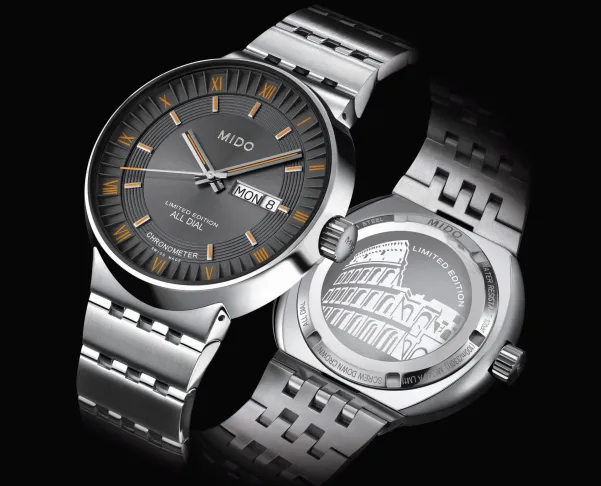
However, the manufactory does not draw inspiration solely from technology. Architecture also plays a significant role here. This is evident, for example, in the All Dial collection, whose design was inspired by the Roman Colosseum. Later came the Belluna collection, inspired by the geometric shapes of Art Deco architecture. And this approach to design is also important for the brand’s current production.
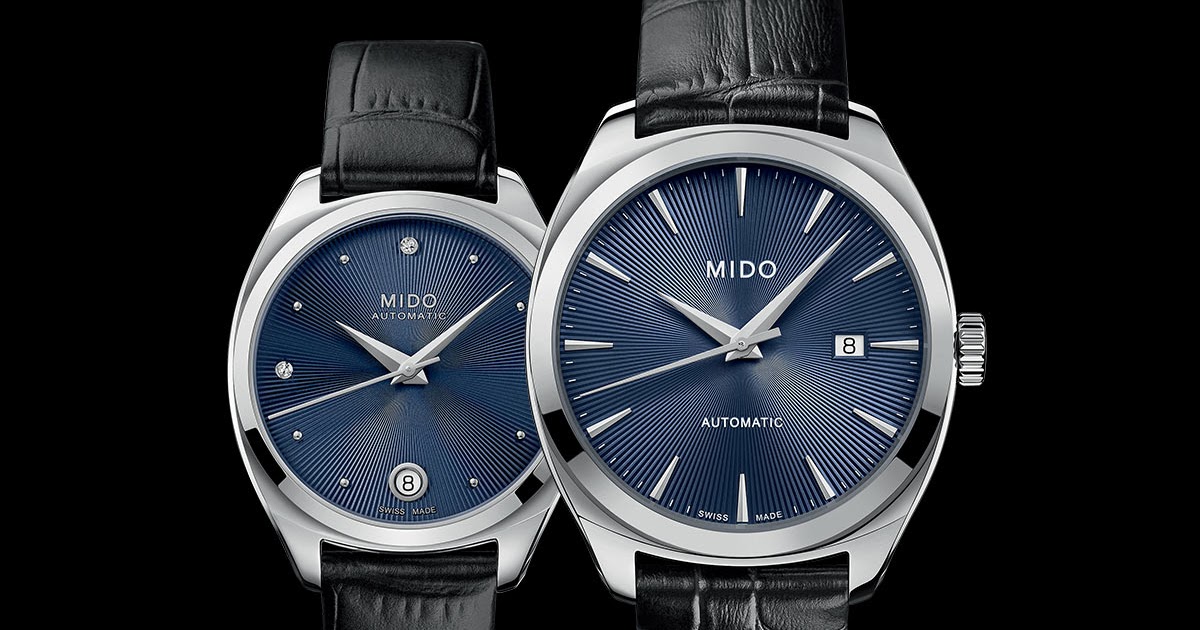
Currently, the most important collections include Multifort, Ocean Star, and Commander. Each represents a slightly different aspect of the brand’s identity. Multifort is associated with technical and sporty designs. Ocean Star is associated with diving and water-resistant watches. And Commander builds on the brand’s classic look and tradition. What’s interesting, though, is that Mido doesn’t simply replicate its history. Rather, it takes individual elements from it and adapts them to a contemporary style. This is perfectly illustrated by the Multifort TV collection.
The Return of 1970s Design
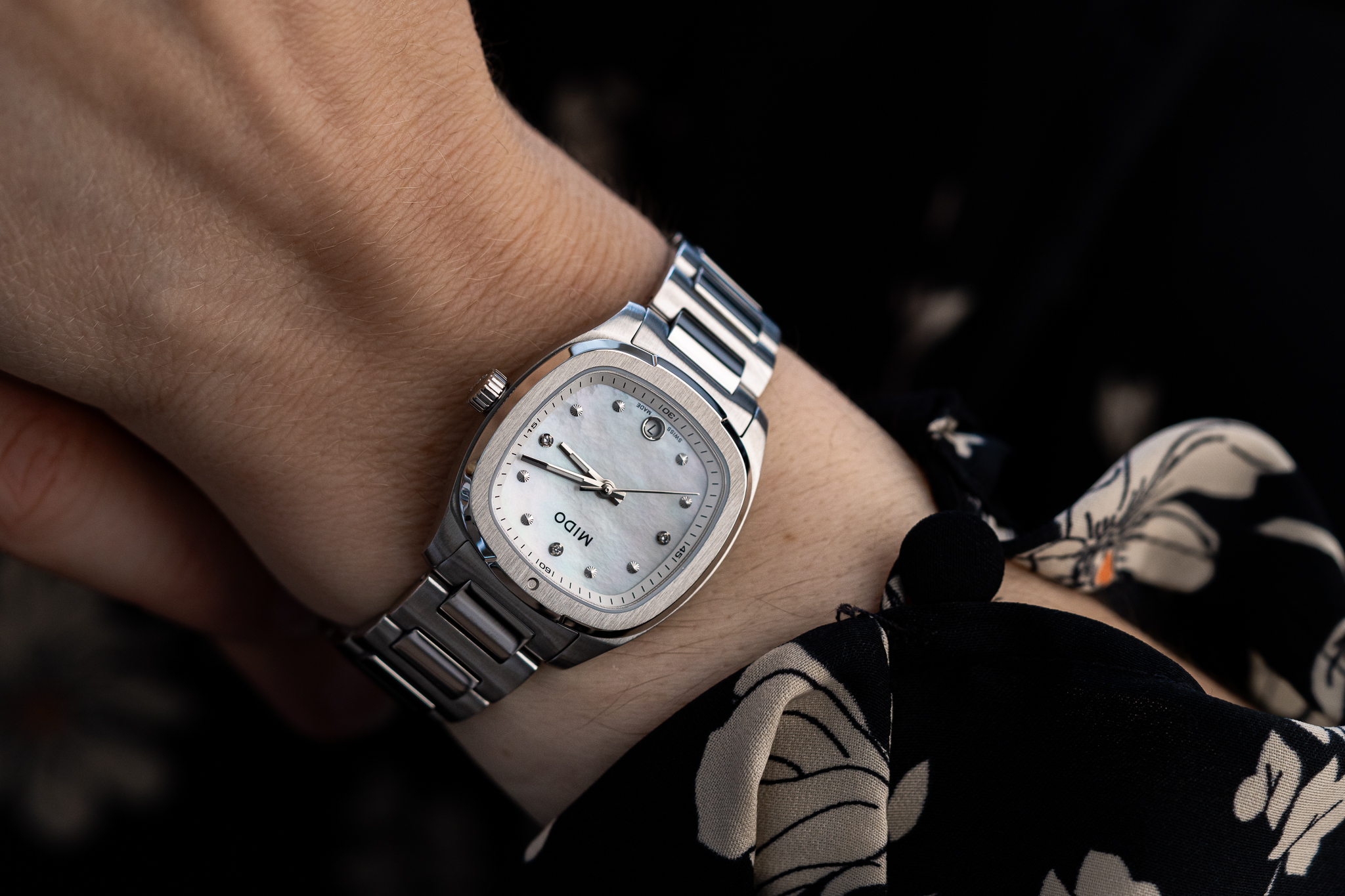
Incidentally, Multifort is the oldest collection, with a history dating back to 1934. The case design itself—shaped like a television screen—is much more recent, however. It first appeared in the 1970s, and the Multifort TV returned in its modern form in 2023. This combination of a historic name and a distinctive retro design has made the Multifort TV one of Mido’s most interesting current models.
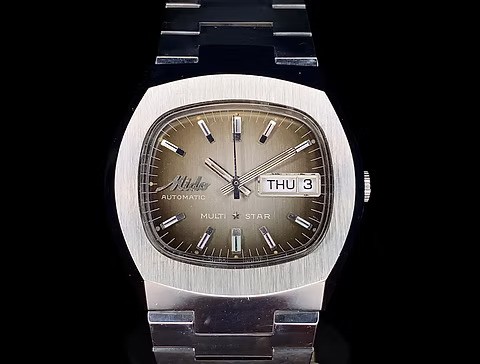
This year, the collection has been expanded to include the Multifort TV 28 Quartz. As the name suggests, this is a smaller version with a 28-mm case. Inside, it features a Swiss quartz movement, and the watch itself is designed primarily for smaller wrists. Interestingly, with this model, Mido didn’t simply take an old design and scale it down. It retained the characteristic shape of the TV case but transformed it into a contemporary, significantly more compact watch.
History Transposed to the Present
If, on the other hand, you’re into sports watches, an interesting new release this year is the Ocean Star 200. It builds on the long tradition of the Ocean Star line and offers a classic sports design with a distinctive diver’s bezel. The current models have a 41 mm diameter and are powered by automatic movements. It’s a nice contrast to the Multifort TV. On one hand, there’s a retro design inspired by 1970s televisions. On the other hand, a sports watch that builds on the Ocean Star’s design tradition, which dates back to 1959. And yet, both collections are united by the same philosophy: technology, durability, and a design with its own distinct character.
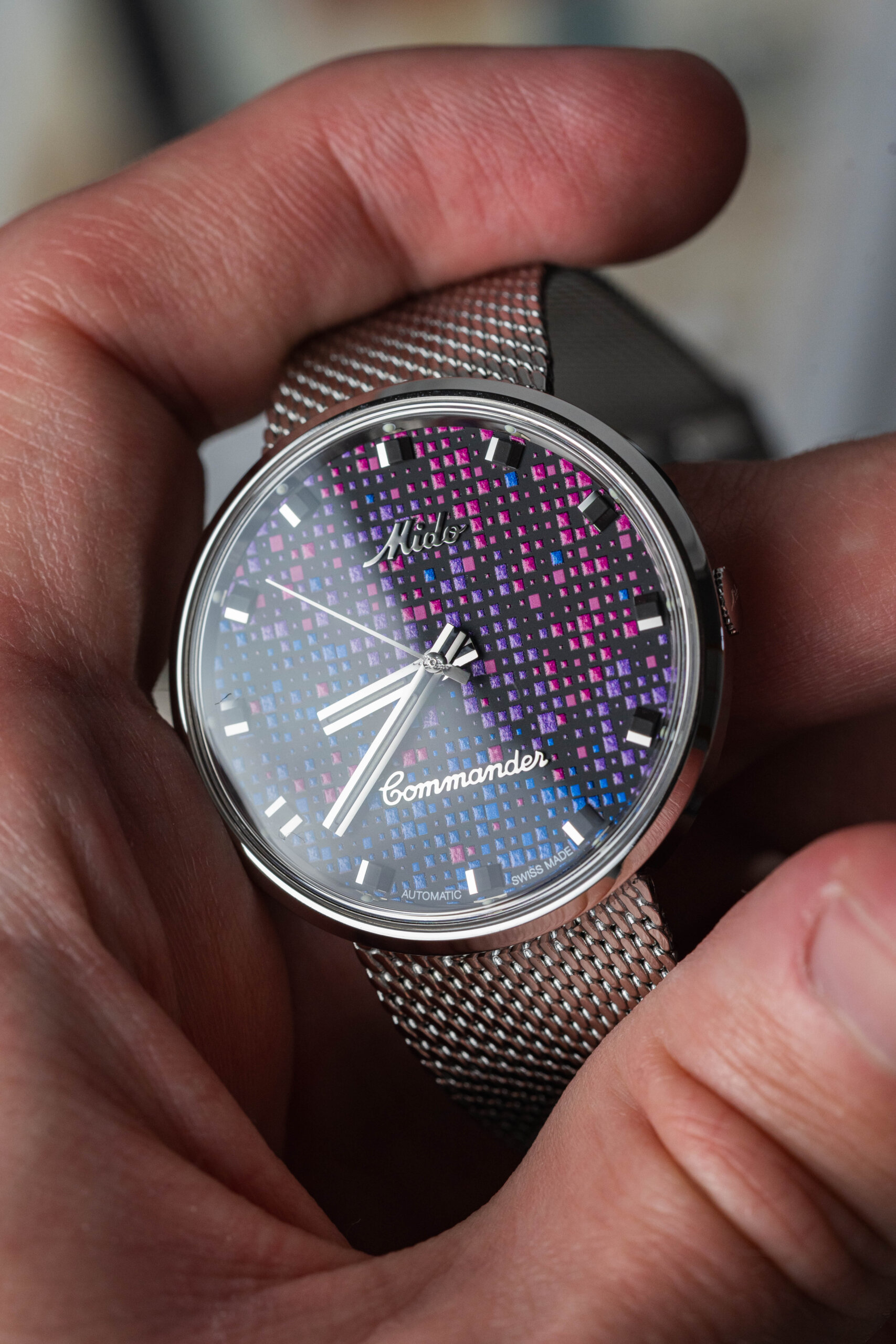
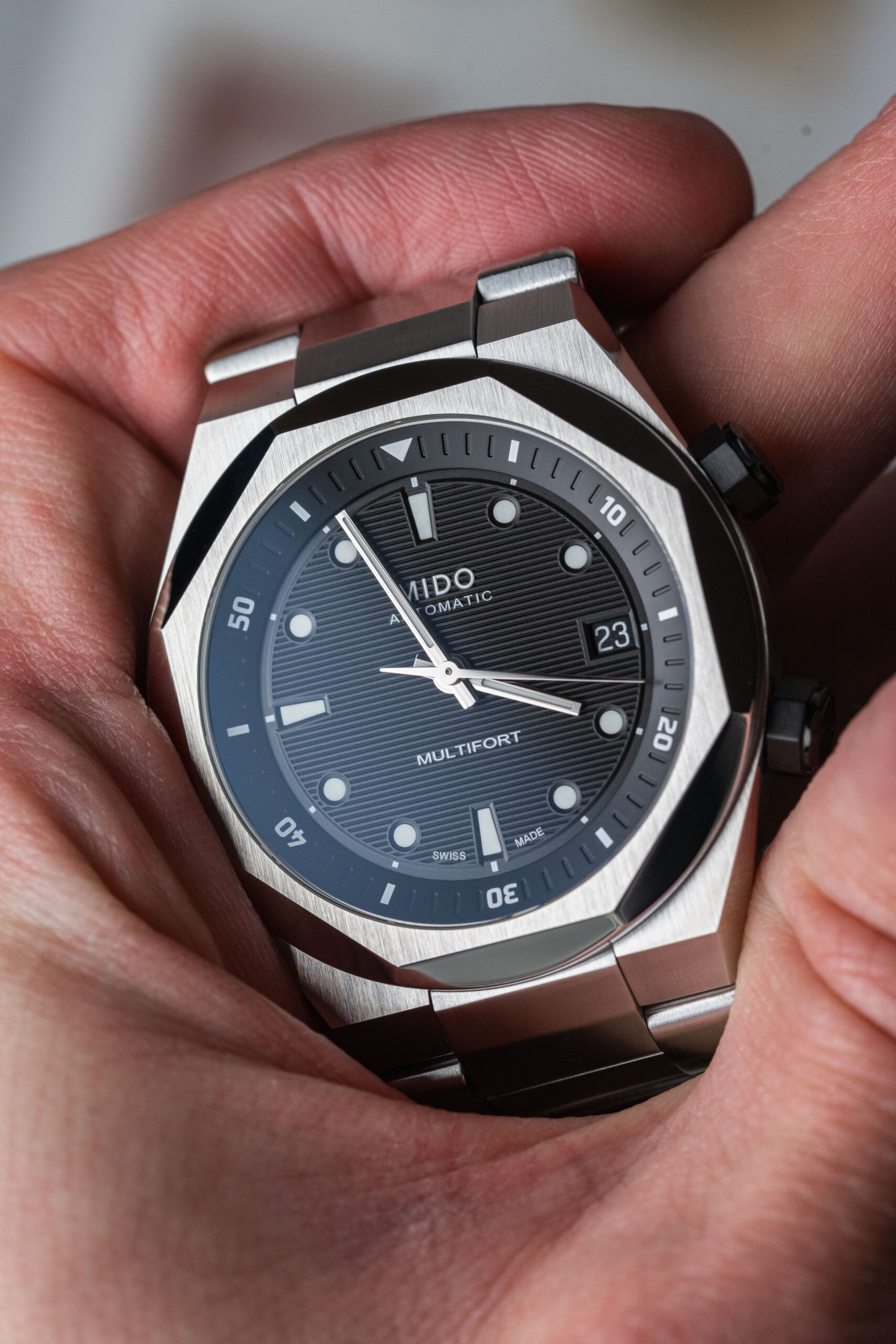
Mido is not a brand whose history is built on a single iconic model. Its story is more about gradual evolution. In the 1930s, Mido focused on water resistance, shock resistance, and resistance to magnetism. In the 1950s, it simplified automatic movements and experimented with monocoque cases. In the 1960s, it produced some of the smallest mass-produced automatic watches. And today, it applies this experience to modern collections such as the Multifort and Ocean Star.
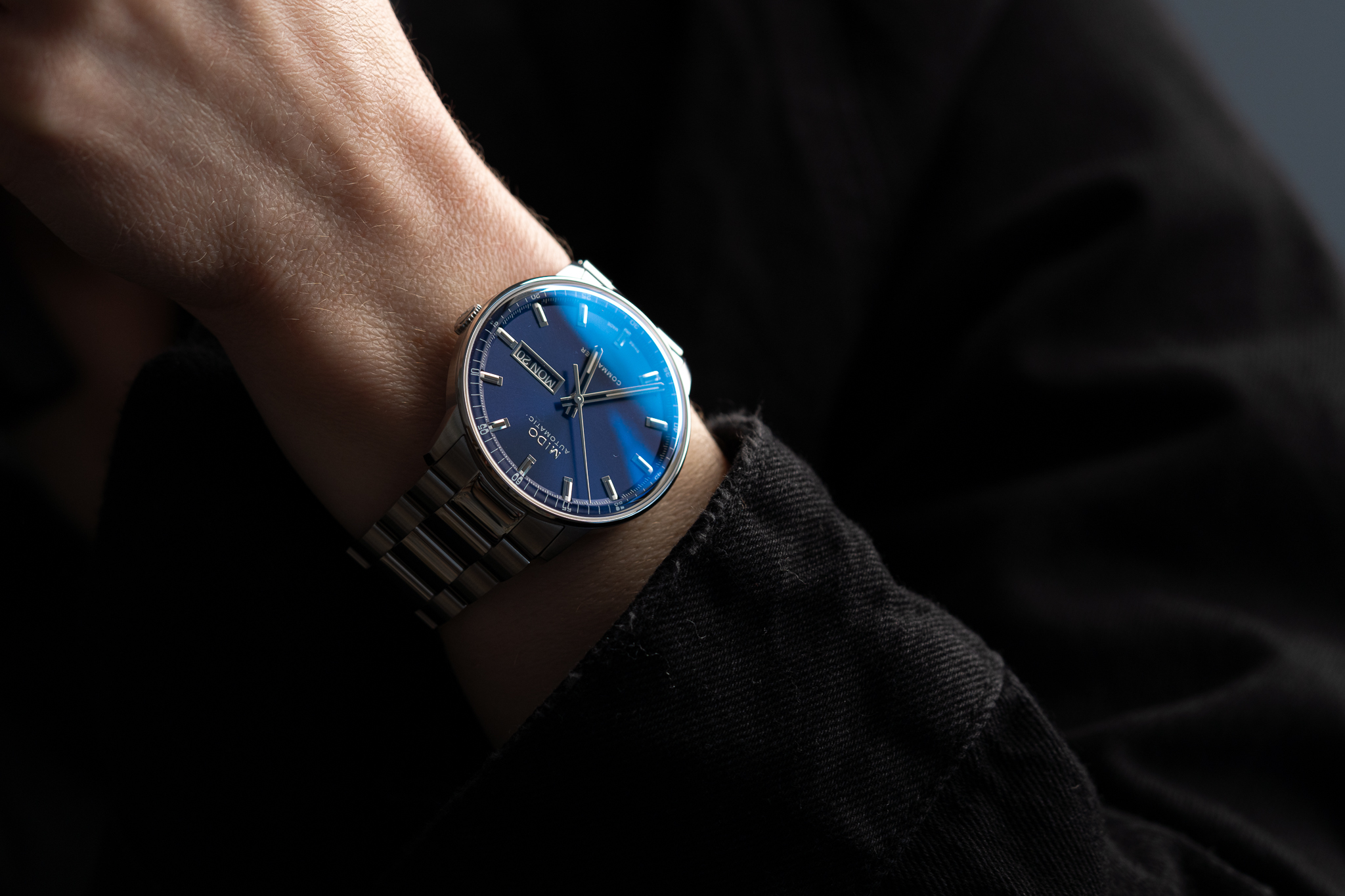
So when you look at Mido today, it makes much more sense to view it in the context of its entire history. Because some things that look like design elements or marketing terms today actually have roots that go back decades.
Mido Pop-Up Store in Prague
🚨🚨🚨
If you’re interested in Mido and want to see some of the models in person, I have another invitation for you. Throughout October, the Mido Pop-Up Store will be open at the Nový Smíchov shopping center in Prague’s Anděl neighborhood. So if you’re curious to see what the latest Mido watches look like in person, how they fit on your wrist, and how the different collections compare side by side, feel free to stop by anytime in October. Alternatively, you can combine your visit with a stop at Helveti on Dukelských hrdinů Street in Holešovice, where you can also check out other brands.
⌚️
When was the Mido brand founded?
Mido was founded by Swiss watchmaker Georges Schaeren on November 11, 1918, in Solothurn. The company’s original name was Mido G. Schaeren & Co.
What is the Aquadura system?
Aquadura is a crown sealing system that uses specially treated natural cork. Mido had been using it since 1934, but it wasn’t until 1959 that it was given the name Aquadura.
What is the Mido Multifort TV?
Multifort TV is a modern collection inspired by the design of TV-screen-shaped cabinets from the 1970s. The line made a comeback in a modern form in 2023.
Where can I see Mido watches in Prague?
Throughout October 2026, the Mido Pop-Up Store will be open at the Nový Smíchov Shopping Center in Anděl. You can also view Mido watches at the Helveti store on Dukelských hrdinů Street in Prague’s Holešovice district.



Comments
No one has commented on this article yet. Be the first.