

 Patrik Zdvíhal
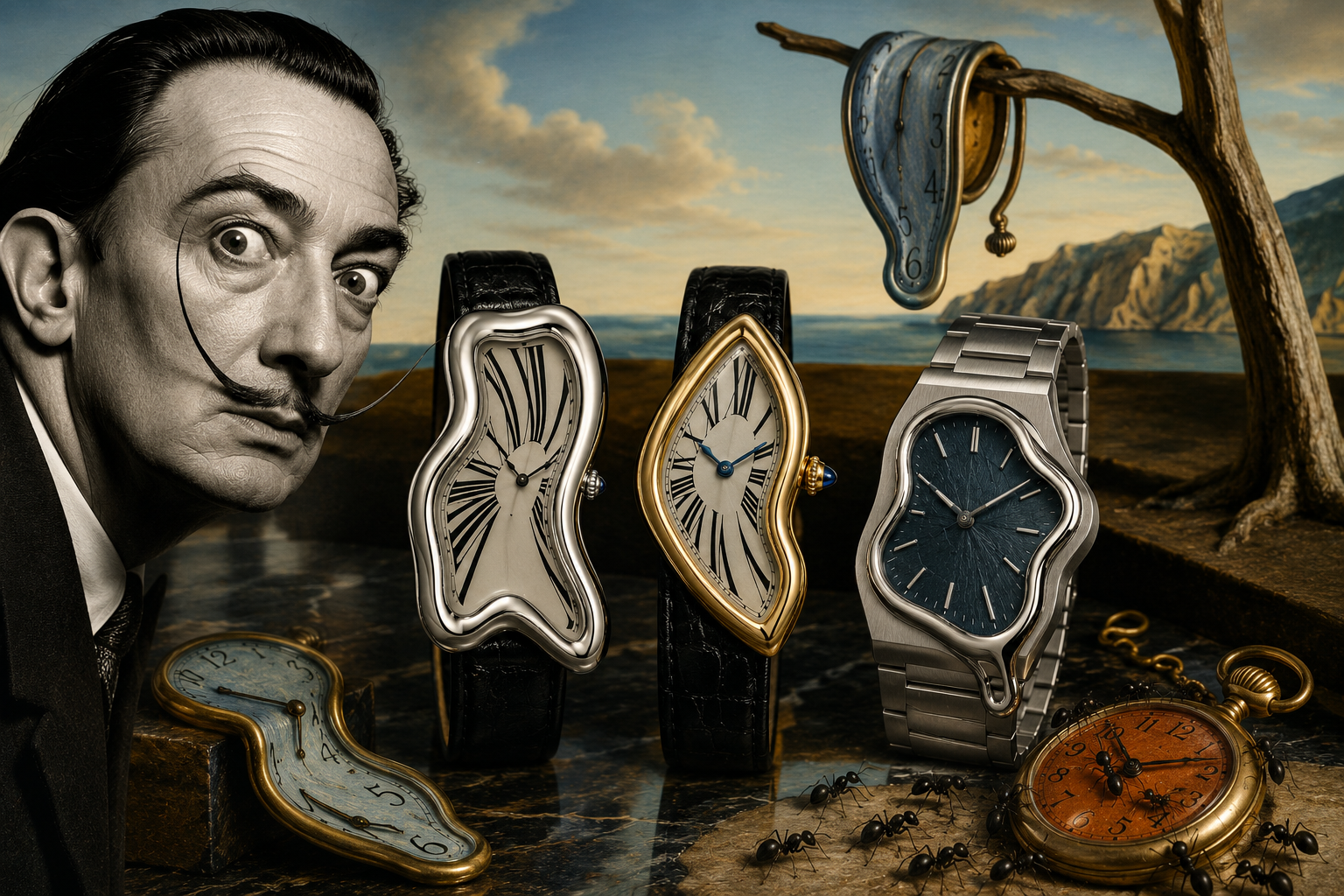
 Although Salvador Dalí was not known as a watch collector, his most famous painting, *The Persistence of Memory*, influenced watch design for decades to come. How was the iconic Exaequo Softwatch created, why is the Cartier Crash often associated with surrealism, and how does the modern brand Laarvee carry on Dalí’s legacy? Embark on a journey where art, time, and watchmaking creativity intertwine.
Table of Contents
What exactly does a watch measure?
Time? Or just our attempt to impose a fixed order on something intangible? Seconds pass at the same rate, but each of us experiences them differently. A minute of waiting can seem endless, while hours spent with loved ones fly by in the blink of an eye. It is precisely this relativity that Salvador Dalí captured in his most famous work. And although he himself isn’t associated with any iconic wristwatches, his perspective on time has inspired some of the most daring watch designs of recent decades.
When the clocks began to melt
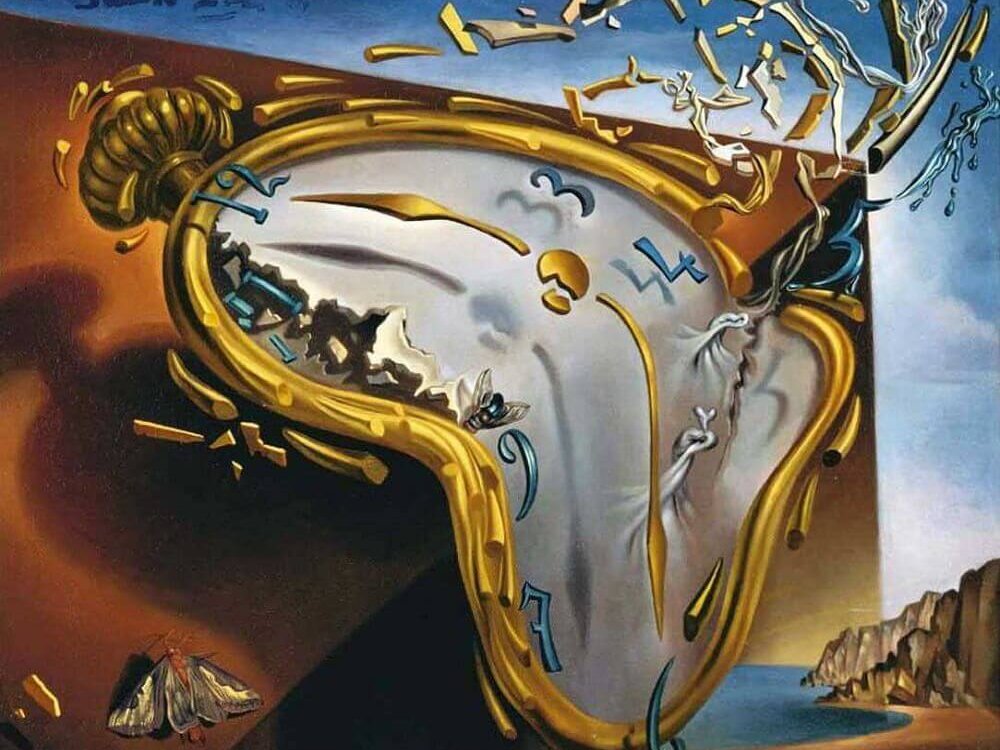
In 1931, Salvador Dalí painted *The Persistence of Memory*, which became one of the most famous works of Surrealism worldwide. At first glance, the soft, melting pocket watch draped over a tree branch, the stone block, and the strange organic figure in the center of the painting are particularly striking. The precise clock, which was meant to symbolize order and certainty, has transformed into something almost liquid.

The painting is often interpreted as a reflection on the transience of time and human memory. Dalí, however, never offered a single “correct” explanation. On the contrary—he let viewers find their own meanings. He himself later humorously claimed that he was inspired to create the melting clock by an ordinary Camembert cheese that was melting in the sun. Whether this story is entirely true or just another of his hoaxes, it perfectly captures Dalí’s ability to transform everyday objects into timeless symbols.
➡️ Did you know: Although wristwatches were already a common part of everyday life in the early 1930s, Dalí depicted a pocket watch in his most famous painting. Why? We don’t know the definitive answer. Perhaps its familiar, traditional shape served better as a symbol of order that begins to crumble before the viewer’s eyes. Or perhaps it was just another one of Dalí’s provocations—after all, with Surrealism, it’s not always necessary to look for a single correct interpretation.
Dalí didn’t collect watches. Yet he changed the world of watchmaking
Unlike many other famous figures, Salvador Dalí is not associated with any specific watch or watch brand. Only a few photographs have survived in which he is wearing a wristwatch, and there is no evidence to suggest that he was a passionate collector or connoisseur of mechanical timepieces.
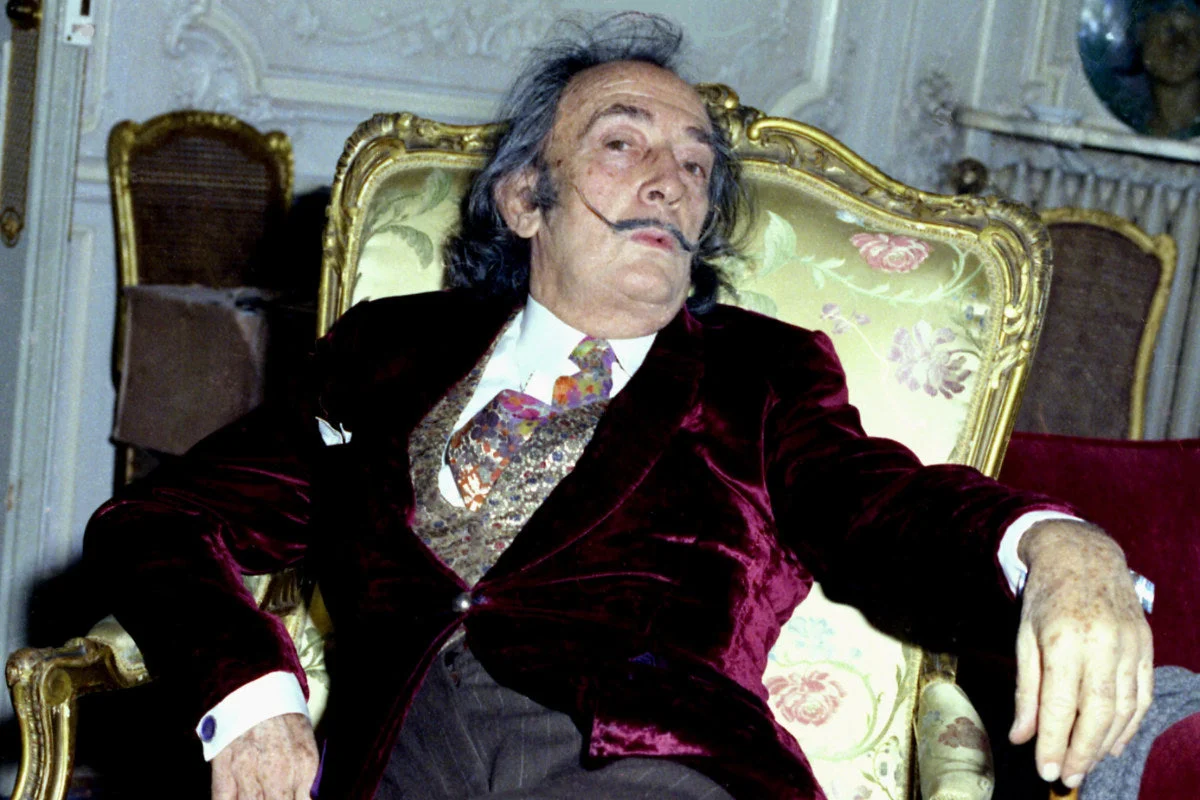
Paradoxically, however, it was precisely a man who never paid much attention to watches who influenced their design more than many famous ambassadors for watch brands. His perspective on time resonated with generations of designers who were looking for a way to break free from traditional round cases, symmetrical dials, and strict geometry.
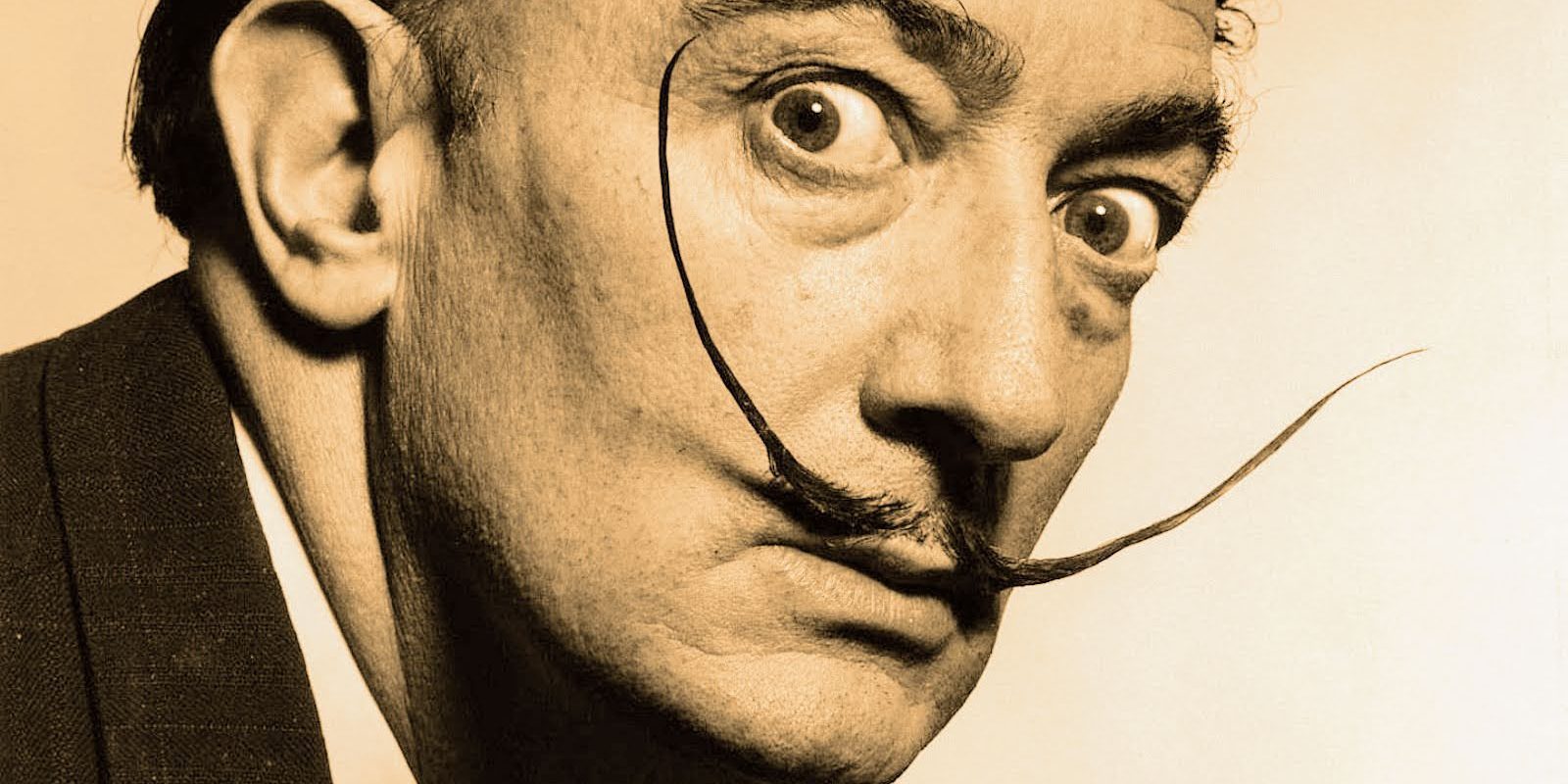
For Dalí, time was not something fixed. It was subjective, changeable, and subject to the human imagination. And it was precisely this idea that watchmakers began to translate into actual watches a few decades later.
Exaequo Softwatch: Surrealism on Your Wrist
It took nearly half a century before anyone dared to turn Dalí’s vision into an actual watch. In the late 1990s, the Italian company Exaequo introduced the Softwatch model, which looked as if it had stepped right out of the painting *The Persistence of Memory*. Instead of having solid lines, the case began to “dissolve”; the lower part curved over the wrist, and the entire watch gave the impression that it had just succumbed to gravity.
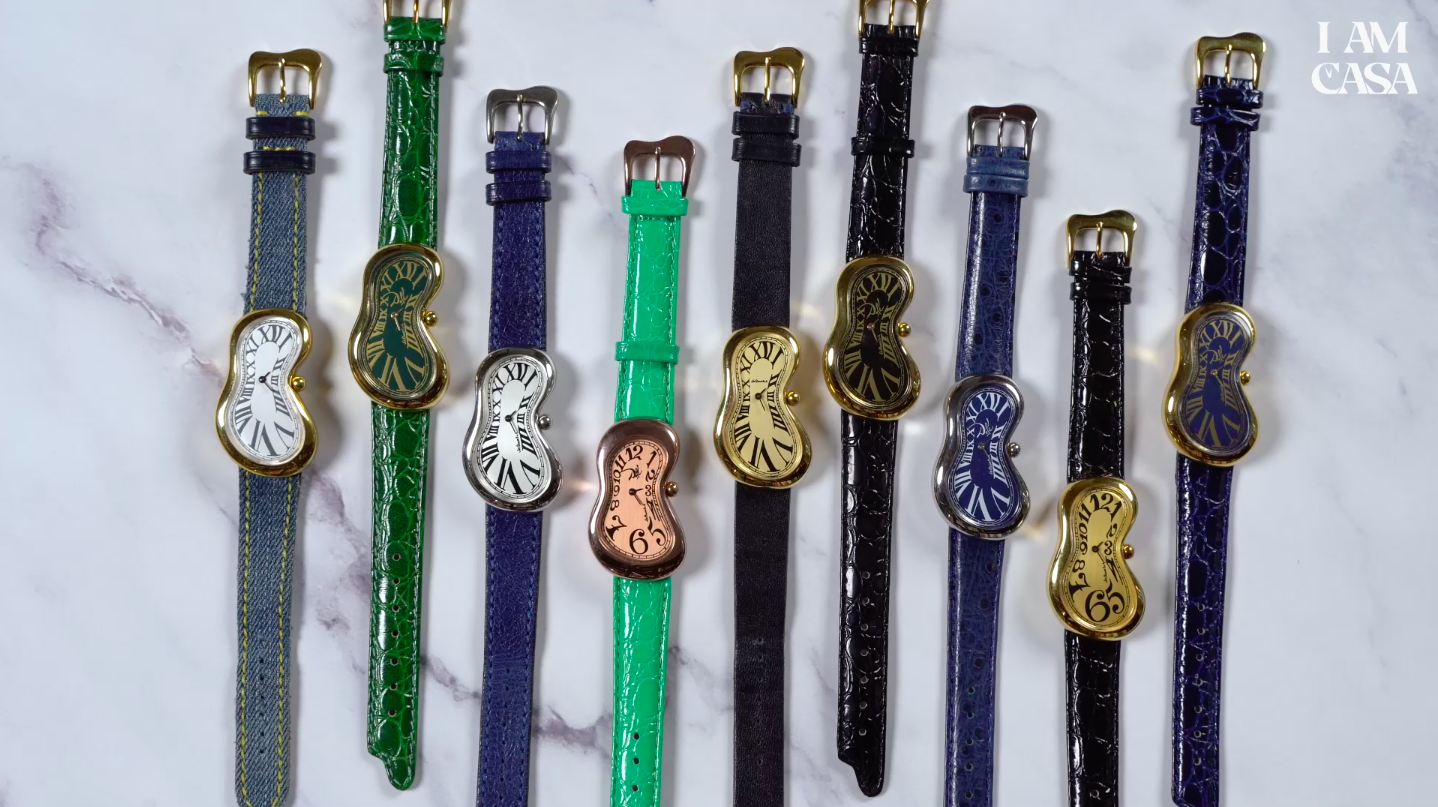
It wasn’t just a designer’s whim. Exaequo was created in collaboration with the organizations that manage Dalí’s legacy, which allowed it to officially use references to the famous surrealist. The Softwatch thus became one of the few watches directly linked to Dalí’s work, rather than merely inspired by it.
➡️ Did you know: Although most people simply refer to these watches as “Dalí watches,” Salvador Dalí himself never wore them. They were created nine years after his death as a tribute to his most famous painting, not as the result of his collaboration with a watch brand.
Although they were powered by standard Swiss quartz movements, no one bought these watches for their technical specifications. They were, rather, small, wearable works of art. While classic watches symbolize precision, discipline, and order, Softwatches represented the exact opposite—they served as a reminder that time doesn’t always have to be perfectly regular and that our perception of reality is often much more flexible than the hands on the dial themselves.
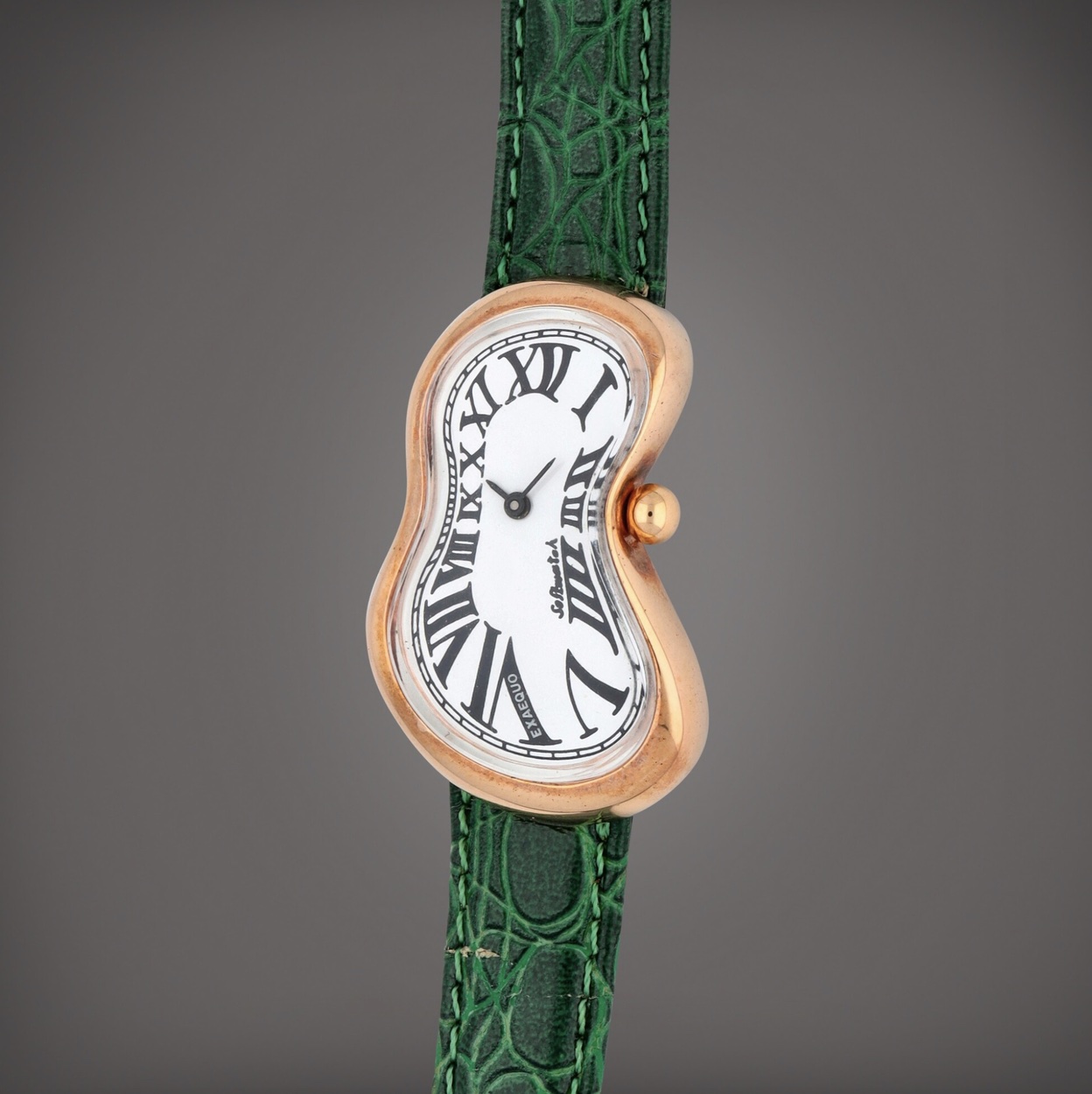
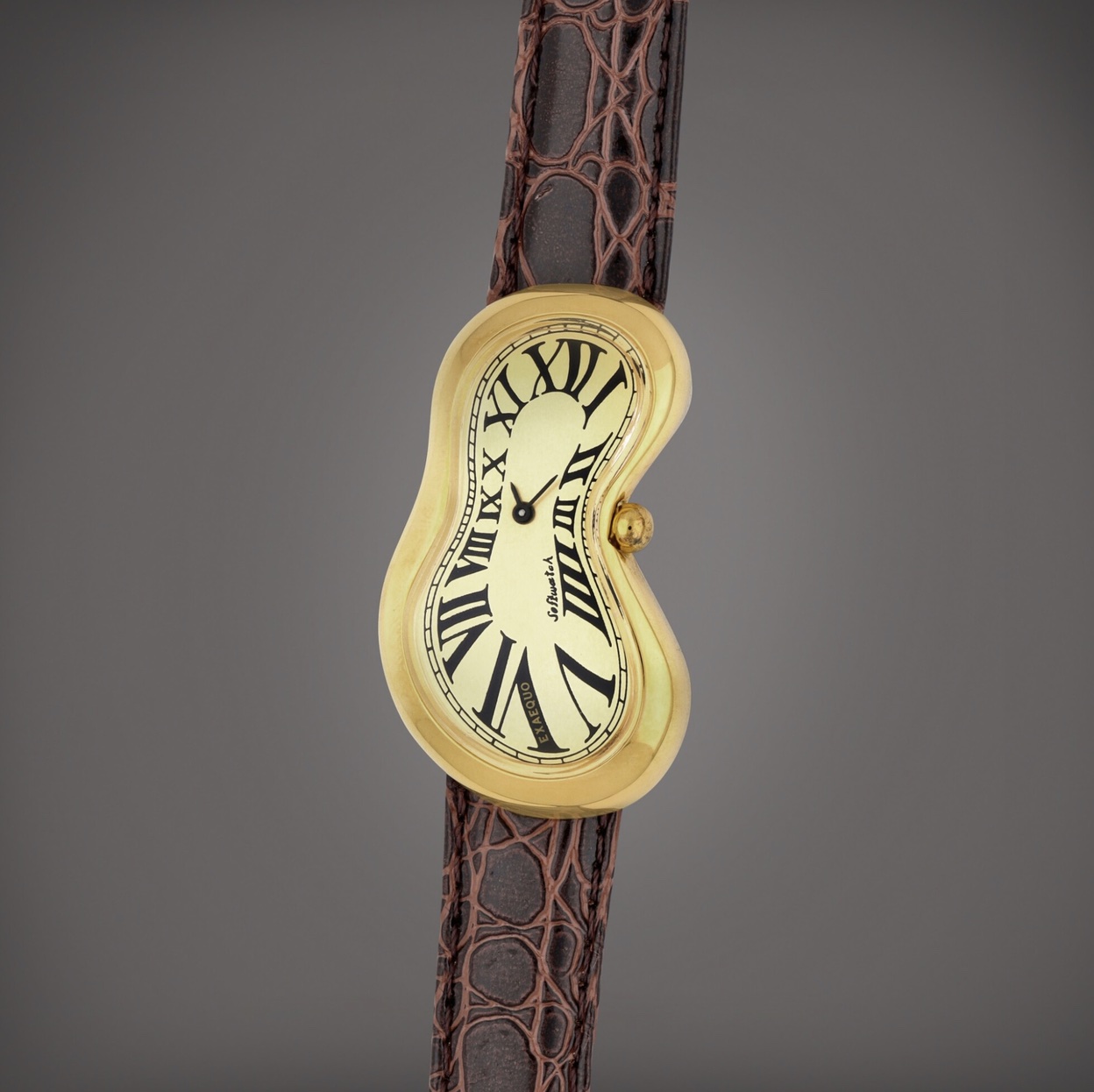
It is precisely this concept that has made the Exaequo Softwatch a collector’s phenomenon. To this day, they appear at auctions and among collectors of designer watches, and for many fans, they represent the most faithful translation of Dalí’s surrealism into the world of watchmaking. Although it was never a mass-market model, its significance for the history of watch design is far greater than sales statistics would suggest.
Cartier Crash: Surrealism Without Dalí
When people hear the phrase “surrealist watch,” the Cartier Crash is the first model that comes to mind for most collectors today. Its asymmetrical case, reminiscent of molten metal, gives the impression that time—and the watch itself—is beginning to crumble under the weight of its own existence. It’s no wonder, then, that it’s almost automatically associated with the work of Salvador Dalí. In reality, however, it came about in a completely different way.
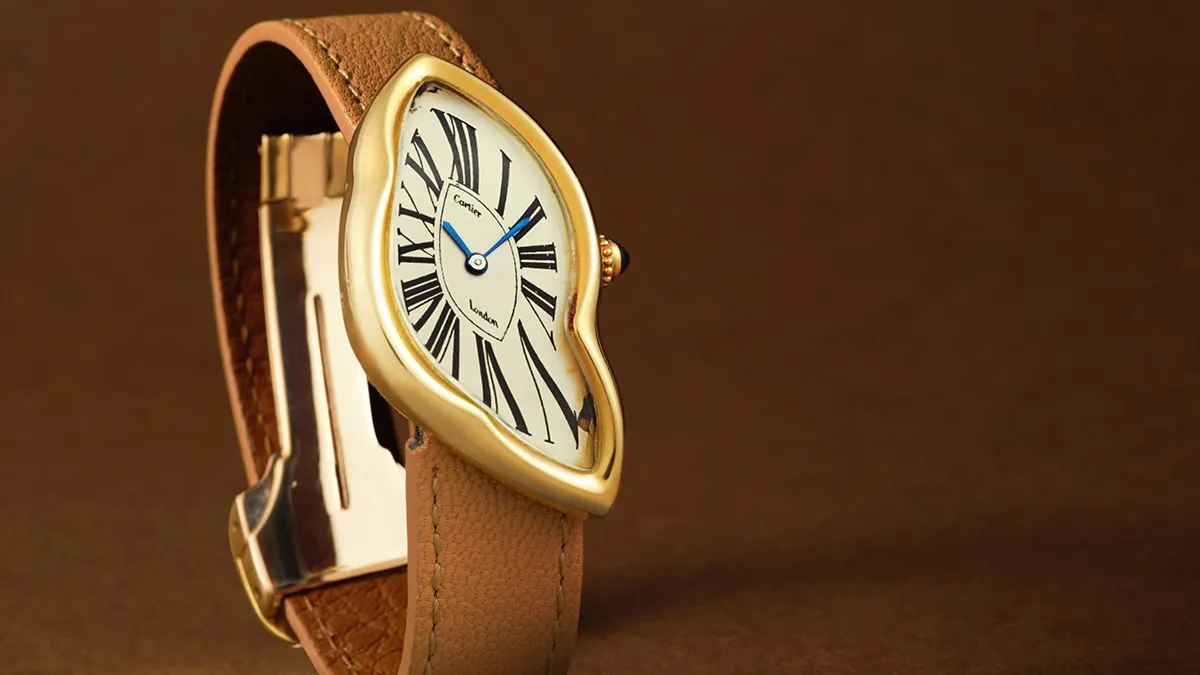
Cartier unveiled the Crash model in 1967 at its London workshop. The most famous legend tells of a customer whose Cartier Baignoire watch was so badly deformed after a car accident that its twisted shape inspired the creation of the new model. Whether this story is entirely true or has evolved over the years into a watchmaking myth, the brand’s official history never mentions Dalí or his paintings as a source of inspiration.
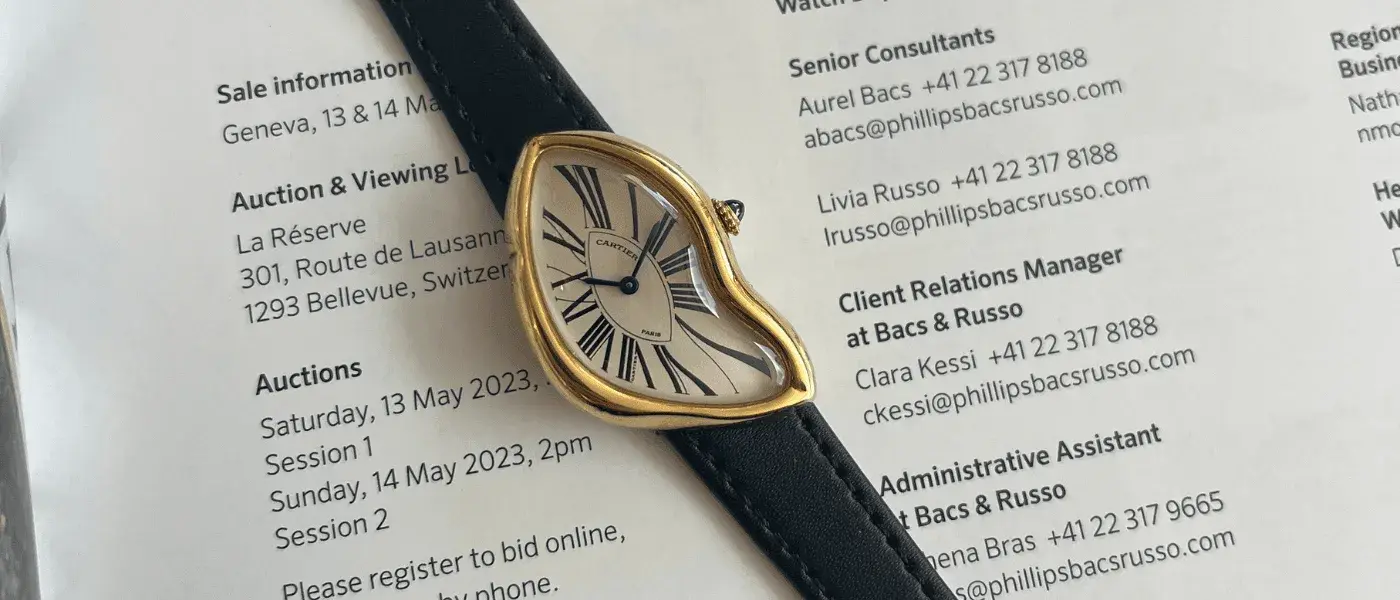
Yet the resemblance is almost impossible to miss. Just like Dalí’s melting clock, the Cartier Crash challenges our idea of what a watch should look like. It proves that even an object designed for precision and order can appear organic, irregular, and almost alive.
That is precisely why the Crash is often described as the most surreal luxury watch of all time. Not because Salvador Dalí designed it or inspired its creation, but because it shares the same boldness in challenging established forms and changing the way we view time.
Laarvee: When Dalí Meets Modern Watchmaking
In the early 20th century, Salvador Dalí demonstrated that time does not have to be fixed. Nearly a century later, the young brand Laarvee has revived this idea. Founded in 2021, it unveiled its first watch two years later. It was clear from the start that this would not be a traditional watchmaking project, but rather a statement in design.
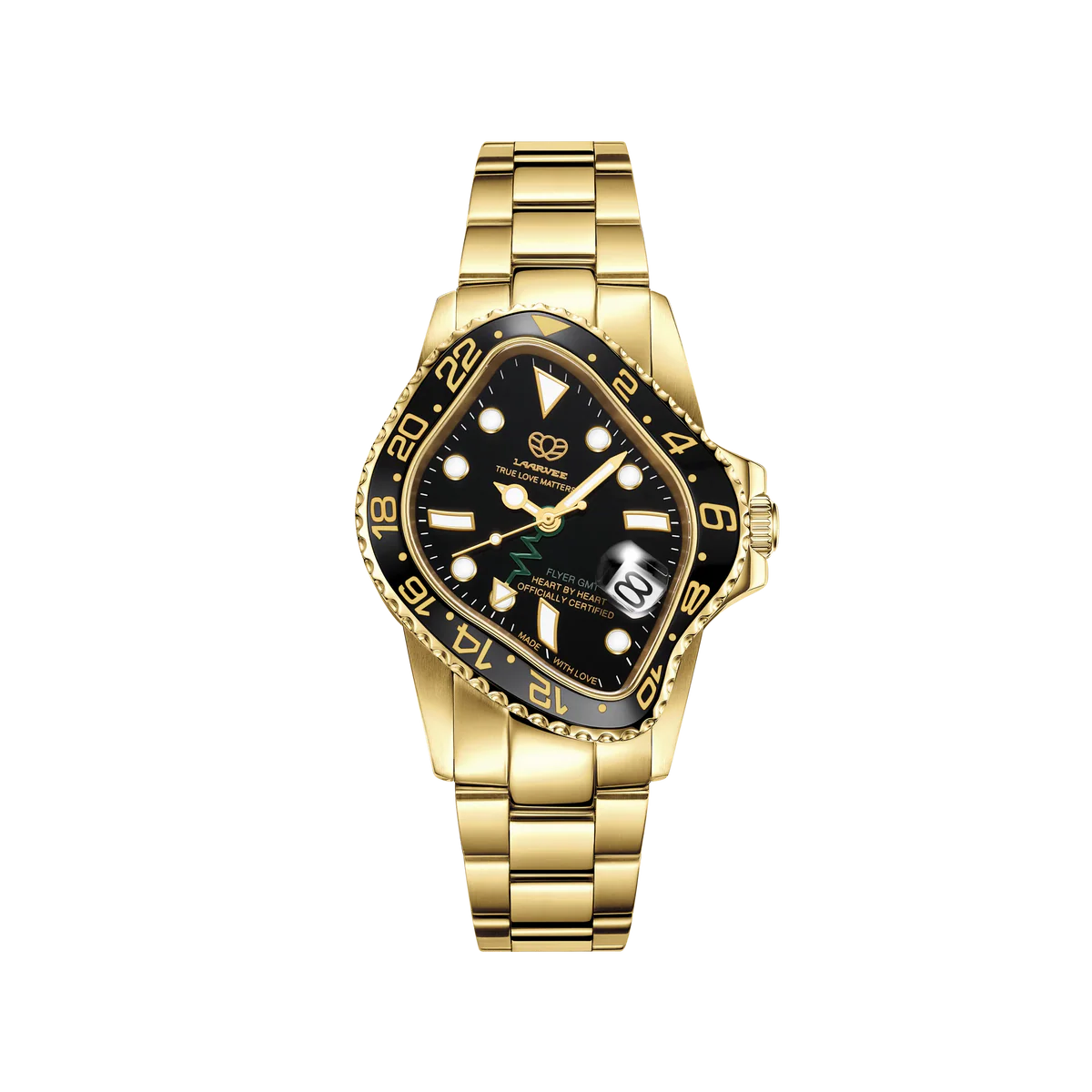
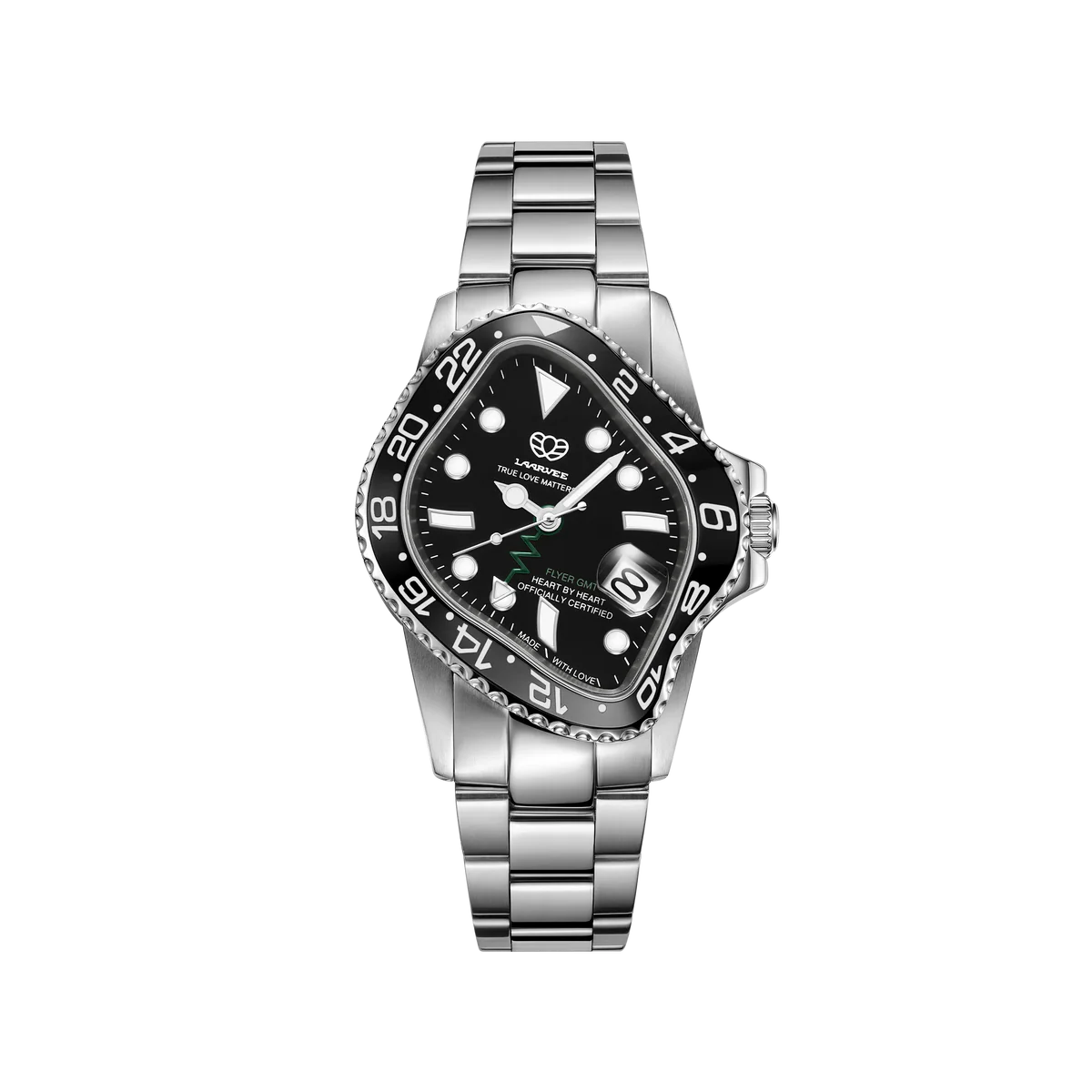
Unlike Cartier, Laarvee is completely open about its inspiration. The brand itself states that its main source of inspiration is Dalí’s painting *The Persistence of Memory*, whose motif of melting clocks it has translated into the design of both the case and the dial. The result is a watch that looks as if its steel case has just begun to warp and the dial is slowly sliding downward under its own weight.
Yet this is not merely a copy of the famous painting. Laarvee combines surrealist aesthetics with the design language of iconic sports watches. At first glance, one can recognize inspiration primarily from Rolex models, which the brand deliberately distorts and shifts into a surrealist realm. It is precisely this contrast between the strict geometry of sports watches and the “melted” shape of the case that gives Laarvee models their unmistakable character.
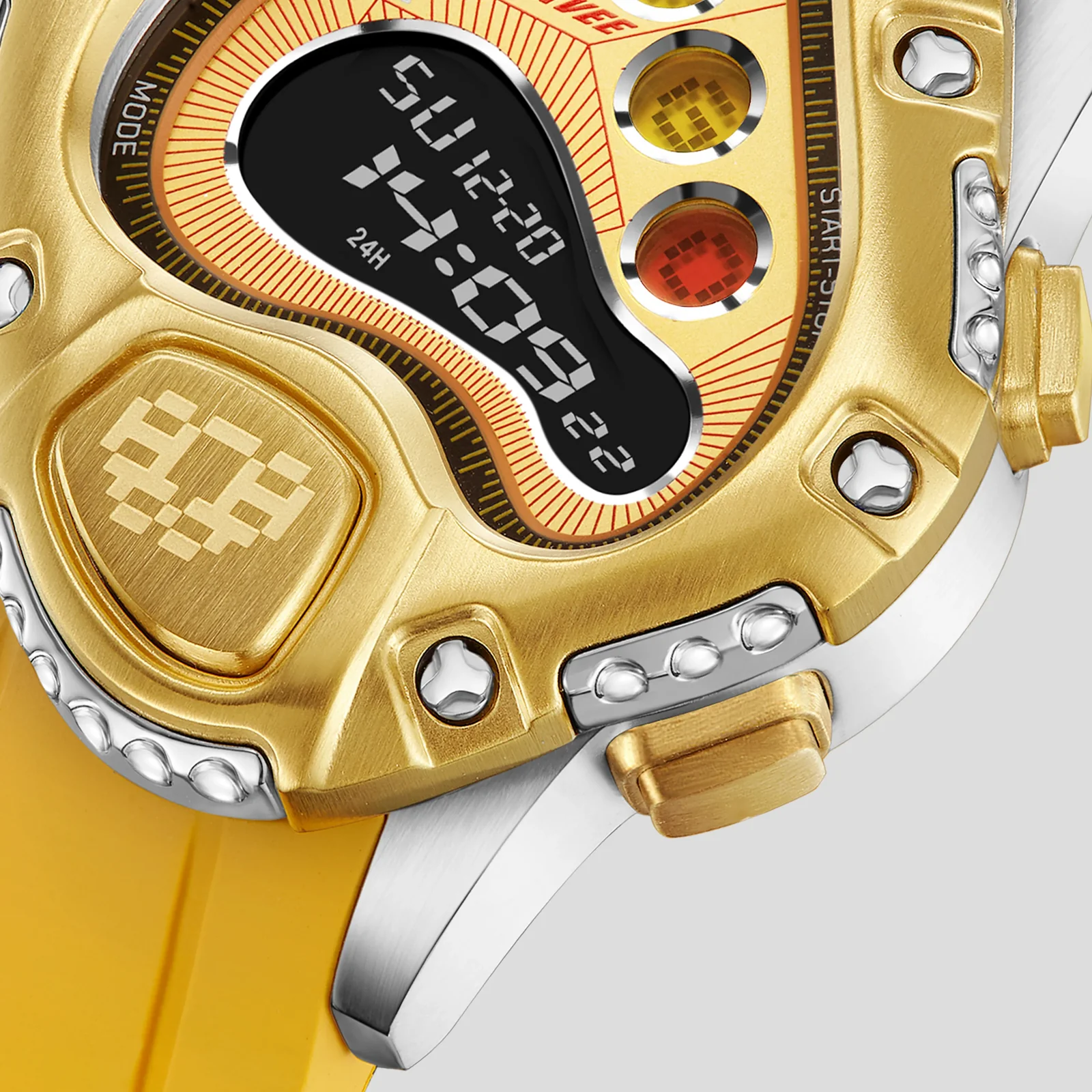
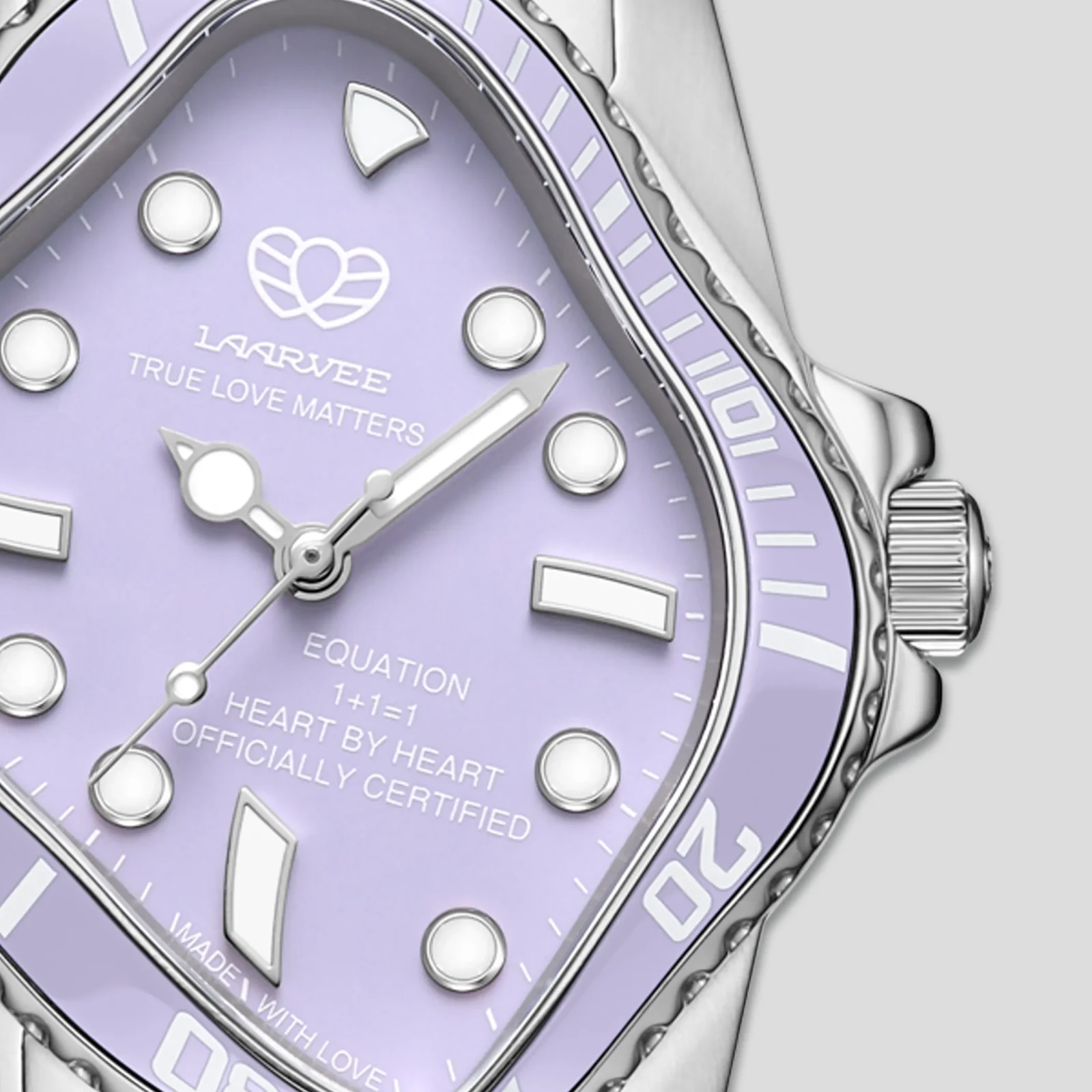
Just like Dalí’s paintings, Laarvee watches do not aim to be perfect in the traditional sense. Their goal is not to convince everyone, but to evoke emotions and spark discussion. Some will call them a bold artistic experiment; others, a provocation or a joke. This is where they most closely resemble Dalí’s work—neither leaves its audience indifferent.
When a Watch Does More Than Just Tell Time
Watchmaking is often associated with precision—with the mechanics that divide the day into hours, minutes, and seconds with near-absolute accuracy. Salvador Dalí viewed time from the opposite perspective. He wasn’t interested in it as a physical quantity, but as a human experience. As something that can stretch, speed up, vanish, or dissolve just as easily as a memory.
Perhaps that is precisely why his legacy still resonates with watchmakers even after nearly a century. Not because he designed a famous watch or collaborated with any of the major manufacturers. But because he reminded us of something we easily forget when looking at a perfectly precise movement—that time is not just what the hands show.
Any watch can measure a minute. But only some can remind us that every minute can have a completely different value. And perhaps that is precisely why Salvador Dalí’s melting clock has become one of the most enduring symbols of time in art history. Because sometimes a single painting can say more about time than a thousand perfectly accurate watches.





Comments
No one has commented on this article yet. Be the first.